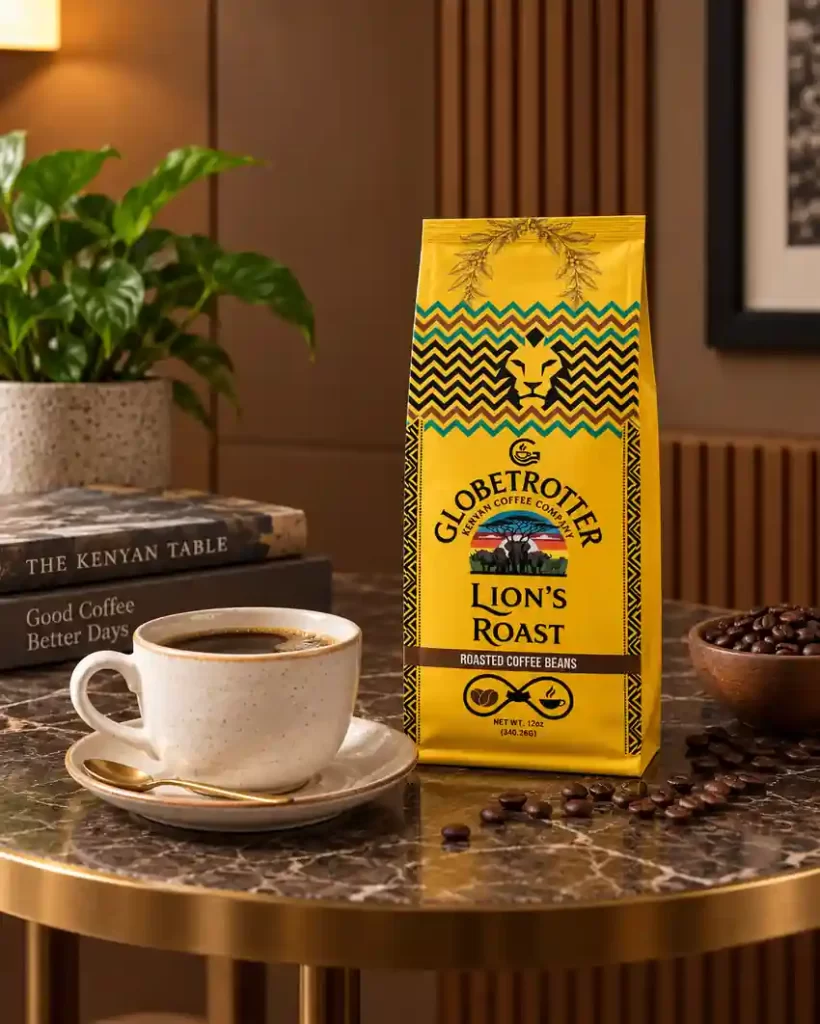
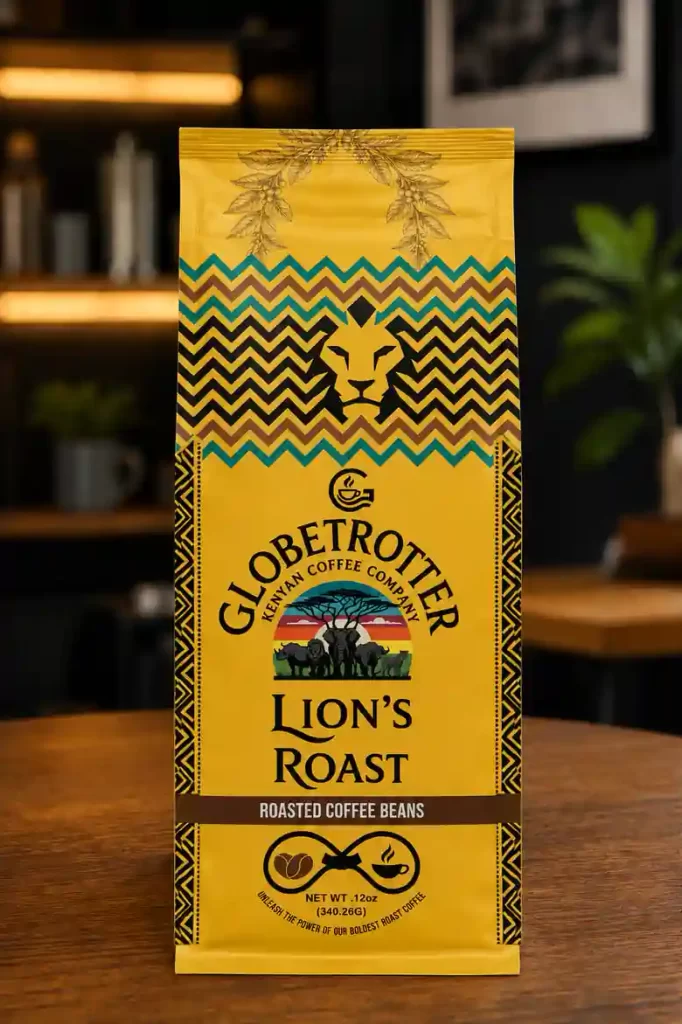
Coffee Pouch Packaging Design in Kenya

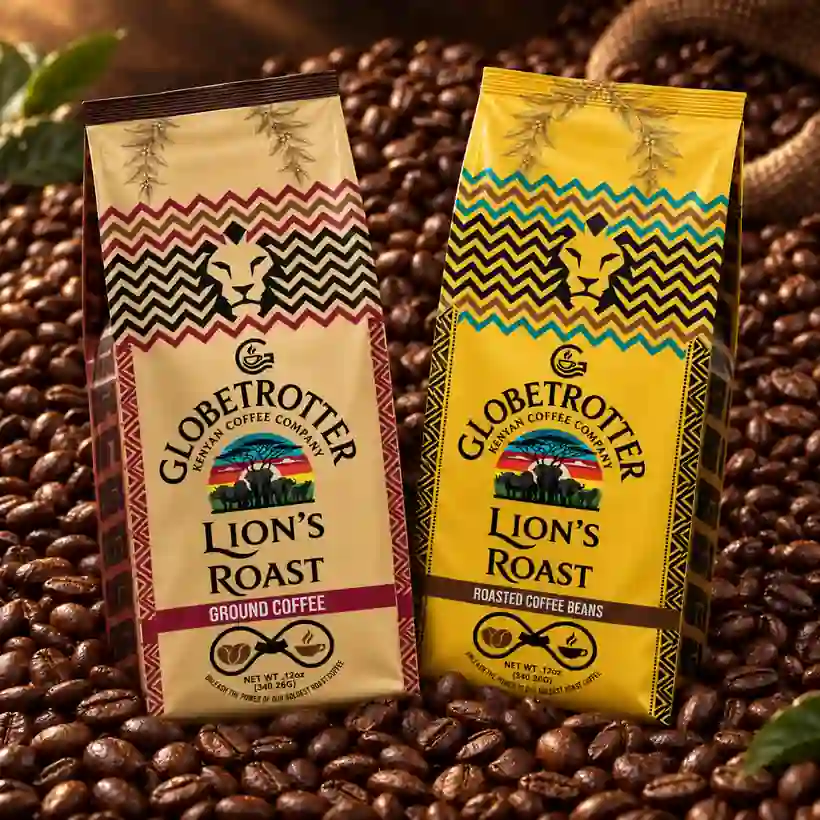
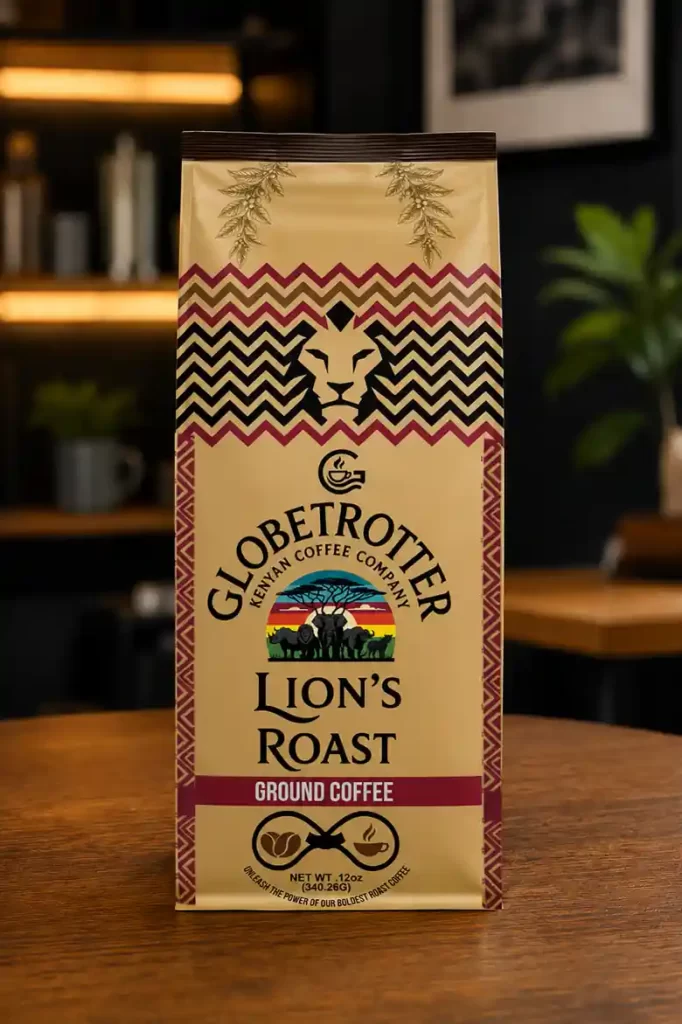
Coffee is one of those products where the packaging starts speaking before the customer has even tasted what is inside. For a new or established coffee brand, finding the Best Coffee Pouches Designs in Nairobi Kenya, is therefore about much more than creating an attractive bag. Good packaging should introduce the brand, communicate the type of coffee being sold, and give customers a reason to pick it from the shelf. At Label Gurus designs  , our work as Coffee Pouches Packaging designers in Kenya  centers on creating packaging that combines strong branding with practical information. We also understand that Coffee Farming in Kenya gives local brands a rich story that can become part of their packaging. Whether you are searching for Attractive coffee pouches design design ideas or developing Custom Pouch Bags in Kenya, the final Package design should feel connected to the coffee.

Why Coffee Packaging Design Matters

Walk into a supermarket, coffee shop, or gym; you may come across several brands of coffee
Some use dark colors and restrained typography. Others are bright and energetic. Some place the origin of the coffee at the center of the design, while others focus on the roast, flavor, or lifestyle associated with their brand.None of these approaches is automatically right or wrong. The important question is whether the design represents the particular coffee brand.A customer seeing your product for the first time does not know the work that went into selecting the beans, roasting them, or building the business. The pouch is often the first introduction. Within a few seconds, the customer should be able to identify the brand and understand what the product is.This is why we normally begin with the brand rather than decorating a pouch and hoping everything eventually fits.

Coffee Farming in Kenya Gives Brands a Story to Tell

Kenyan coffee already has an identity that brands can draw from. A packaging designer does not necessarily need to cover the pouch with coffee beans and leaves to communicate that identity.
Sometimes the story is in the name.Sometimes it is in the illustration. It could come through color, typography, a landscape, a geographical reference, or a short description explaining where the coffee originated.For businesses directly connected to Coffee Farming in Kenya, packaging offers an opportunity to bring part of that journey closer to the customer. A grower, cooperative, processor or coffee brand may have a genuine story behind the product. The challenge is deciding which parts of that story deserve space on the pouch. Origin can be particularly useful where it genuinely distinguishes the coffee. Information about the region, roast, variety, or tasting characteristics can help customers understand what they are buying.The important thing is not to force a Kenyan theme into every design. The packaging should still belong to the individual brand.

Designing a Coffee Pouch That Customers Can Understand

One mistake we see in packaging is trying to make everything important.When the logo, product name, illustration, roast, slogan, weight, and several other messages are all competing for attention, nothing really stands out.The front part of the package should always have the Brand name and a few other pieces of pieces of information that customers look for on the package, and the back part should have the description, contacts, barcodes, and any other important information like the KEB  number. This is one area where experienced Coffee Pouches Packaging Designers in Kenya can add value. Packaging design is not simply about filling available space. It is about deciding what the customer should notice first, second, and third.
That hierarchy becomes even more important when the same brand has several products.
A customer should be able to recognize that a medium roast and a dark roast are from the same company while still quickly distinguishing between them.

Choosing the Right Pouch Before Designing

The physical pouch should be considered early in the project.Different coffee businesses use different packaging structures depending on their products, quantities, production methods, and budgets. Stand-up pouches are particularly useful because they provide a relatively large printable surface while allowing the package to stand upright for display.Other structures may also be suitable depending on how the coffee is packed and sold. Before finalizing artwork, we normally need the actual pouch dimensions or the printer’s approved keyline. This tells us where the front, back, seals, folds, and other production areas are located.The first process of designing the package is always to get the accurate measurements; that’s what guides the whole structure to a final design
Kenya Bureau of Standards currently lists a specific coffee-packaging standard, KS 2221:2011, as well as standards covering coffee products more broadly.KEBS also has a technical committee covering the coffee value chain and another covering labelling of pre-packaged foods. This is why the physical and regulatory side of packaging should not be treated as an afterthought.

What Should Go on a Coffee Pouch?

The exact information depends on the coffee and the market in which it will be sold.
From a design perspective, however, we need to reserve appropriate space for the information that the client is required to provide.
This can include the product name, net weight, brand information, ingredients where applicable, manufacturer or packer information, batch or lot details, storage information, preparation instructions, roast information and other applicable declarations.KEBS lists KS EAS 38:2014 – Labeling of pre-packaged foods – General requirements, alongside standards specifically dealing with coffee. Businesses should therefore confirm the current regulatory requirements applicable to their particular product rather than relying on another brand’s pouch as a template.
Our role as designers is to organize the supplied and verified information so the pouch remains readable and visually balanced.

Attractive Coffee Pouches Design Ideas

There is no single formula for an attractive coffee pouch.For some brands, simplicity works extremely well. A restrained color palette, a strong logo, and carefully selected typography may be enough.
For another brand, illustration might carry the identity. A farm landscape, a coffee branch, a mountain, a portrait, or an abstract artwork can make the pouch recognizable from a distance.
Typography can become part of the personality too. A premium specialty coffee may call for a very different typographic direction from a youthful everyday coffee brand.
When developing Attractive Coffee Pouches Design Ideas, we therefore don’t start by asking, “What effect can we add?”
We ask, “What should this brand look like?”That usually produces a more original result.

Color Should Have a Purpose

Brown is an obvious color for coffee, but that does not mean every coffee package needs to be brown.The color choice should ultimately come from the brand positioning.
It should also be considered in relation to printing. What looks attractive on a bright computer monitor still needs to translate successfully onto the chosen packaging material.
That is one reason packaging artwork should be prepared for production rather than supplied as ordinary social-media artwork.

Creating Custom Pouch Bags in Kenya

The word “custom” can mean several things.
For one client, it might mean a completely printed pouch carrying the full brand artwork. For another, it may mean using an existing pouch and applying a professionally designed label. The appropriate approach depends on the quantities, available packaging, budget, and the selected production method.
When designing Custom Pouch Bags in Kenya, we consider the complete surface rather than treating the front panel like a poster.
What happens on the back?
Where does the barcode go?
Where will batch information be applied?
Will the design continue around the sides?
Is there enough breathing space around the logo?
What happens near the zipper and seals?
These details may not sound exciting, but they often separate a packaging concept from artwork that is actually ready to move toward production.

Building One Brand Across Several Coffee Varieties

Imagine a coffee company selling four products.
If every pouch uses an unrelated layout, typography, and visual language, customers may assume they are four unrelated brands.
A better approach is usually to build a packaging system.
The logo remains consistent. The information hierarchy remains familiar. Certain structural elements stay in the same position. We then introduce controlled changes to identify each variety.
This could be through color, names, illustrations, or secondary graphic elements.
The result is a family of products that looks connected when displayed together.
For businesses looking for the Best Coffee Pouches Designs in Nairobi, Kenya, this is an important consideration. A good design should not only solve today’s single pouch. Where possible, it should give the brand room to introduce tomorrow’s products without having to start from scratch.

From Coffee Farming to the Finished Pouch

This is where Coffee Farming in Kenya, the work of Coffee Pouches Packaging Designers in Kenya, Attractive Coffee Pouches Design Ideas, Custom Pouch Bags in Kenya, and the search for the Best Coffee Pouches Designs in Nairobi, Kenya eventually meet. The farm story alone will not create good packaging, and beautiful graphics alone cannot replace clear product communication. The best result comes when the different pieces support each other.
That is the approach we prefer at Label Gurus Designs.
We want someone looking at the pouch to see a coffee brand, not simply a template with a coffee-bean picture placed on it.

Minimalist or Detailed Coffee Packaging?

Both approaches can work.
Minimalist packaging relies heavily on composition. When there are only a few elements on the pouch, every element becomes noticeable. Typography, spacing, and proportions have to be handled carefully.
Detailed packaging gives us more visual material to work with. Illustration, patterns, landscapes, and other brand elements can create a rich identity, but they need to be controlled. Too many competing elements can quickly make a small pouch feel crowded.
The decision should therefore come from the brand’s character rather than from a design trend.
A premium coffee does not automatically have to be black and gold. An organic product does not automatically need green leaves. A Kenyan brand does not have to use the national flag.
Original packaging starts when we move beyond these obvious choices.

Designing the Front and Back as One Package

The front normally does most of the selling, but the back should not feel forgotten.
Once a customer picks up the coffee, the back panel becomes valuable space. It can explain the coffee, carry preparation guidance, and present the necessary product and company information.
The visual relationship between the two sides matters.
Fonts, colors, spacing, and graphic elements should feel connected. The back does not need to be as decorative as the front, but it should still look like part of the same design.
A well-planned back panel can hold a surprising amount of information without appearing crowded.

Preparing Coffee Pouch Artwork for Printing

The attractive mockup is not the end of the design process.
Once a design has been approved, the artwork needs to be prepared in accordance with the production specifications. The exact setup depends on the printer, packaging material, and printing method.
This is where details such as the approved keyline, bleed, color setup, image quality and placement of important elements become critical.
We therefore prefer working with the final measurements or keyline supplied by the client’s packaging printer wherever possible.
It reduces guesswork.
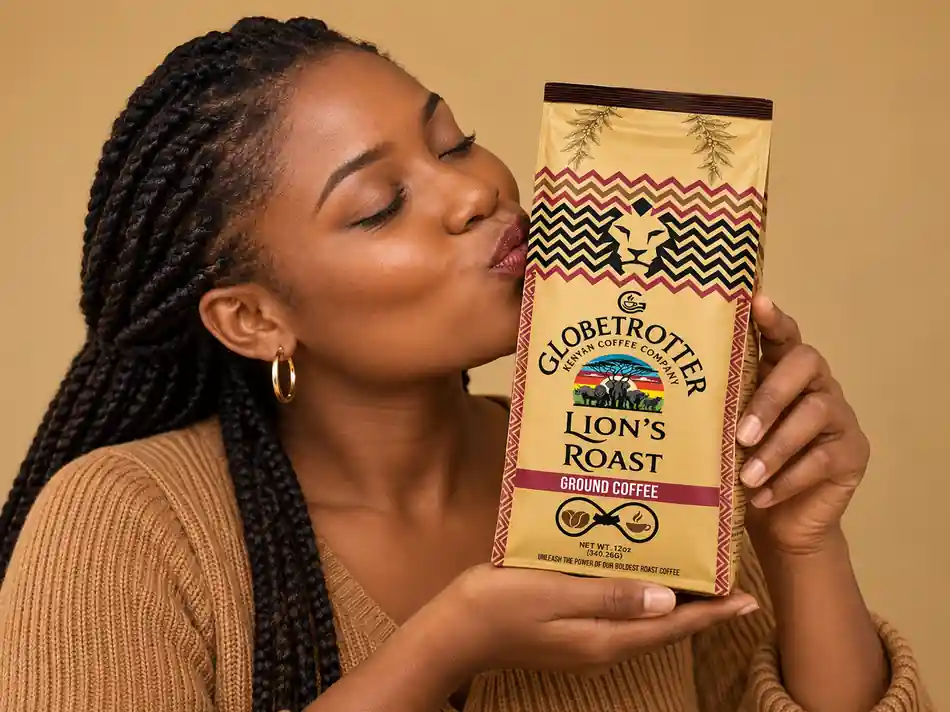
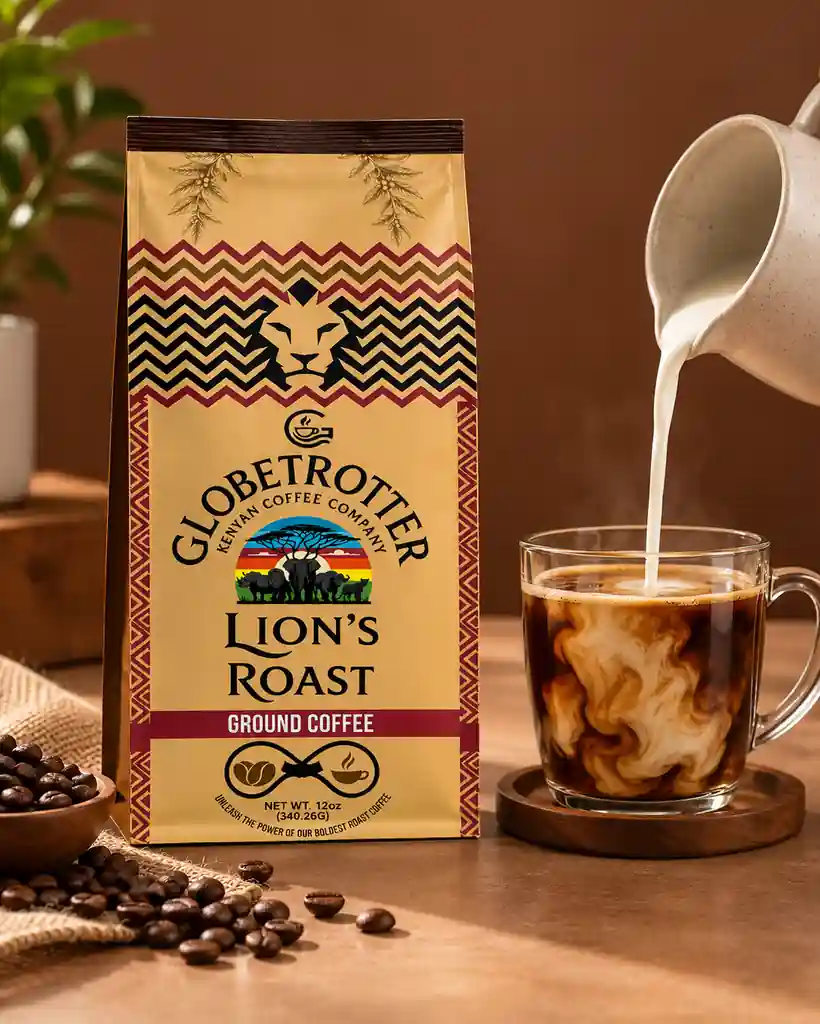
A realistic mockup can then be created to show how the approved artwork is expected to appear on the finished pouch, while the production file is prepared separately for printing.

Common Coffee Packaging Mistakes to Avoid

One of the biggest mistakes is designing before understanding the pouch dimensions. Another is copying the appearance of an established coffee brand so closely that the new product develops no identity of its own.
Poor information hierarchy is another common problem.
If customers need to search by product name, roast, or weight, the layout probably needs more work.
Using too many fonts, colors, or decorative effects can also weaken the design. Coffee already has a strong visual world around it, which makes it tempting to add beans, cups, leaves, farms, mountains, steam and patterns all at once.
Sometimes removing one element improves the pouch more than adding another.
Another mistake is approving the visual concept without considering production. A packaging design ultimately has to leave the screen and become a physical product.

Our Coffee Pouch Design Process at Label Gurus Designs

Our process starts with understanding what we are designing.
We look at the brand, product, target customer, coffee varieties, and the physical packaging that will be used. We also need the correct pouch dimensions or a printer-approved keyline, along with the information the client wants included.
From there, we develop the visual direction.
Once a concept has been selected and refined, we organize the complete packaging artwork and prepare the design for the agreed production requirements. Mockups can also help the client visualize how the final package will look.
We provide design services, while printing and pouch production can be handled by the client’s selected packaging manufacturer or printing partner.
This distinction is useful because it allows us to focus on what we do best: creating the brand presentation and preparing professional artwork ready for production.

Coffee Packaging Should Make the Brand Memorable

Coffee packaging has a relatively small space in which to do a lot of work.
It needs to identify the product, carry necessary information, and create enough visual personality for customers to remember the brand.
That does not require making the pouch complicated.
Often, the strongest solution comes from identifying a single clear visual direction and executing it consistently.
A customer who enjoyed the coffee should be able to recognize the same pouch the next time they see it. As the company introduces additional varieties, that recognition becomes even more valuable.

Looking for Coffee Pouch Packaging Design in Kenya?

At Label Gurus Designs, we approach coffee packaging as part of the complete brand rather than simply decorating a bag. Whether your search started with the Best Coffee Pouches Designs in Nairobi, Kenya, professional Coffee Pouches Packaging Designers in Kenya, information related to Coffee Farming in Kenya, inspiration for Attractive Coffee Pouches Design Ideas, or professionally designed Custom Pouch Bags in Kenya, the objective should remain the same: create packaging that represents your coffee clearly, gives the brand its own identity, and is properly considered before it goes to print. If you already have your coffee brand, product information, and pouch measurements, we can help turn those elements into a professional coffee packaging design ready for the next stage of production.

Choose Your Coffee Pouch Before Starting the Design

One common challenge we face as Coffee Pouches Packaging Designers in Kenya is clients approaching us before deciding on the type of coffee pouch they want to use. The physical packaging should ideally be identified before the design begins.
We normally advise clients to visit supermarkets and look at different coffee packaging available in Kenya. This is not about copying another brand’s design, but about understanding the pouch shapes, sizes, sealing methods, and available packaging options. Once you identify a suitable pouch, you can buy a sample or share a photo with us.
You should also know the quantity you intend to pack, such as 100 g, 250 g, 500 g or 1 kg. Once the pouch is selected, we can take the measurements and prepare the artwork according to the correct dimensions or the printer’s approved keyline.
When developing Custom Pouch Bags in Kenya, choose the packaging structure before focusing on Attractive Coffee Pouch Design Ideas. This makes the design and printing process much easier and helps avoid unnecessary changes later.

Digital vs Flexo Printing: Which Is Better for Coffee Pouches?

Once your coffee pouch design is ready, the next step is finding a suitable printing company. Before choosing a printer, ask about the minimum order quantity, cost per pouch, printing method, plate charges, and expected production time.
I

Frequently Asked Questions

1. Why is coffee pouch packaging design important?

Coffee packaging often introduces the product before a customer tastes it. A strong design identifies the brand, explains the type of coffee and roast, presents essential information clearly, and gives shoppers a reason to notice the pouch on the shelf.

2. What makes a good coffee pouch design?

A good coffee pouch design combines a clear brand identity, readable information, purposeful colours, suitable typography and a practical layout. It should help customers quickly identify the brand, coffee type, roast and pack size without making the pouch feel crowded.

3. Where can I find professional coffee pouch packaging designers in Kenya?

Label Gurus Designs provides professional coffee pouch packaging design services in Kenya. We create original brand-focused concepts, organise the front and back panels, prepare print-ready artwork and develop realistic mockups. Printing is handled by the client’s chosen packaging manufacturer or printing partner.

4. What information should appear on a coffee pouch?

The required information depends on the product and market, but it may include the product name, net weight, ingredients where applicable, roast information, preparation and storage instructions, manufacturer or packer details, batch information and other required declarations. Confirm the current requirements for your product before printing.

5. Should I choose the coffee pouch before starting the design?

Yes. Select the pouch type and capacity first, such as 100 g, 250 g, 500 g or 1 kg. The designer then needs the actual dimensions or the printer-approved keyline so important text and graphics stay clear of seals, folds, zippers and other production areas.

6. What is a printer-approved keyline?

A printer-approved keyline is the technical template showing the pouch dimensions, front and back panels, seals, folds, zipper position, bleed and safe areas. Designing on the correct keyline reduces guesswork and helps ensure the approved artwork fits the final pouch.

7. Which coffee pouch sizes can be designed?

Coffee pouches can be designed for common capacities such as 100 g, 250 g, 500 g and 1 kg, as well as custom sizes. The final artwork dimensions should come from the selected pouch sample or the packaging printer’s approved keyline.

8. What are some attractive coffee pouch design ideas?

Effective ideas include minimalist layouts, farm or landscape illustrations, bold typography, origin-focused storytelling, distinctive patterns and colour coding for different varieties. The best direction should reflect the individual coffee brand instead of copying a popular competitor or relying on generic coffee-bean images.

9. How can coffee farming in Kenya inspire packaging design?

Kenyan coffee brands can draw from genuine details such as the growing region, farm, cooperative, landscape, variety, processing method or tasting characteristics. These elements can be expressed through the name, illustration, colour, typography or a short origin story without forcing every Kenyan symbol into the design.

10. Is minimalist or detailed packaging better for coffee?

Either approach can work. Minimalist packaging depends on careful spacing, typography and composition, while detailed packaging can use controlled illustrations, patterns or landscapes. The right choice should come from the brand’s personality and target customer rather than a passing design trend.

11. Which colours work best for coffee pouch packaging?

There is no single best colour. Black can create a strong presence, cream and neutral colours can feel soft or refined, green can suggest an agricultural direction, and brighter colours can separate origins, flavours or roast levels. Choose colours that fit the brand and reproduce well on the selected pouch material.

12. How should different coffee varieties be distinguished?

Build one consistent packaging system, then use controlled changes in colour, product names, illustrations or secondary graphics to identify each variety. Keeping the logo, layout and information hierarchy consistent helps the full range look like one recognisable brand.

13. What does custom coffee pouch design mean?

Custom coffee pouch design can mean creating full artwork for a printed pouch or designing a professional label for an existing plain pouch. The suitable option depends on the order quantity, budget, available packaging and chosen production method.

14. Do you design both the front and back of the coffee pouch?

Yes. The front usually introduces and sells the product, while the back carries the coffee story, preparation guidance and necessary product or company information. Both panels should use connected fonts, colours, spacing and graphic elements so the pouch feels complete.

15. What is the difference between a mockup and print-ready artwork?

A mockup is a realistic visual showing how the finished pouch may look. Print-ready artwork is the production file built to the printer’s specifications, including the correct keyline, bleed, colour setup, image quality and safe placement of important elements.

16. Is digital or flexo printing better for coffee pouches?

Digital printing is often suitable for smaller quantities because it does not require printing plates. Flexo printing normally requires a larger order and plate investment but can provide a lower cost per pouch at higher volumes. Ask several printers for current quotations before choosing.

17. How much does coffee pouch printing cost in Kenya?

As a rough guide, a digitally printed pouch may cost around KSh 40–50 per piece, while a flexo-printed pouch may cost around KSh 21–25 per piece at larger quantities. Flexo plates may cost approximately KSh 12,000 plus VAT per plate. Prices vary, so request current written quotations from printers.

18. What minimum order quantities apply to printed coffee pouches?

Some digital printers may accept approximately 1,000–5,000 pouches, while flexo orders may begin around 10,000 pieces. These are estimates, and minimum quantities depend on the printer, pouch size, material, number of colours and production specifications.

19. What common coffee packaging mistakes should I avoid?

Avoid designing without accurate dimensions, copying another coffee brand, using too many fonts or decorative elements, hiding important product information and approving a concept without considering printing. Clear hierarchy and early coordination with the printer prevent many costly changes.

20. What do I need to start a coffee pouch design project?

Prepare your brand name or logo, coffee type and varieties, target customer, verified product information, selected pouch, exact dimensions or printer-approved keyline, preferred visual direction and printing specifications. These details help the designer create accurate artwork with fewer revisions.

error: Content is protected !!
Open chat
Hello Label Gurus, I got your number from your website and I wish to get some services from you.