


What Distinguishes Offset from Digital Printing
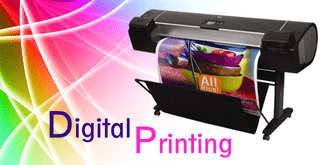
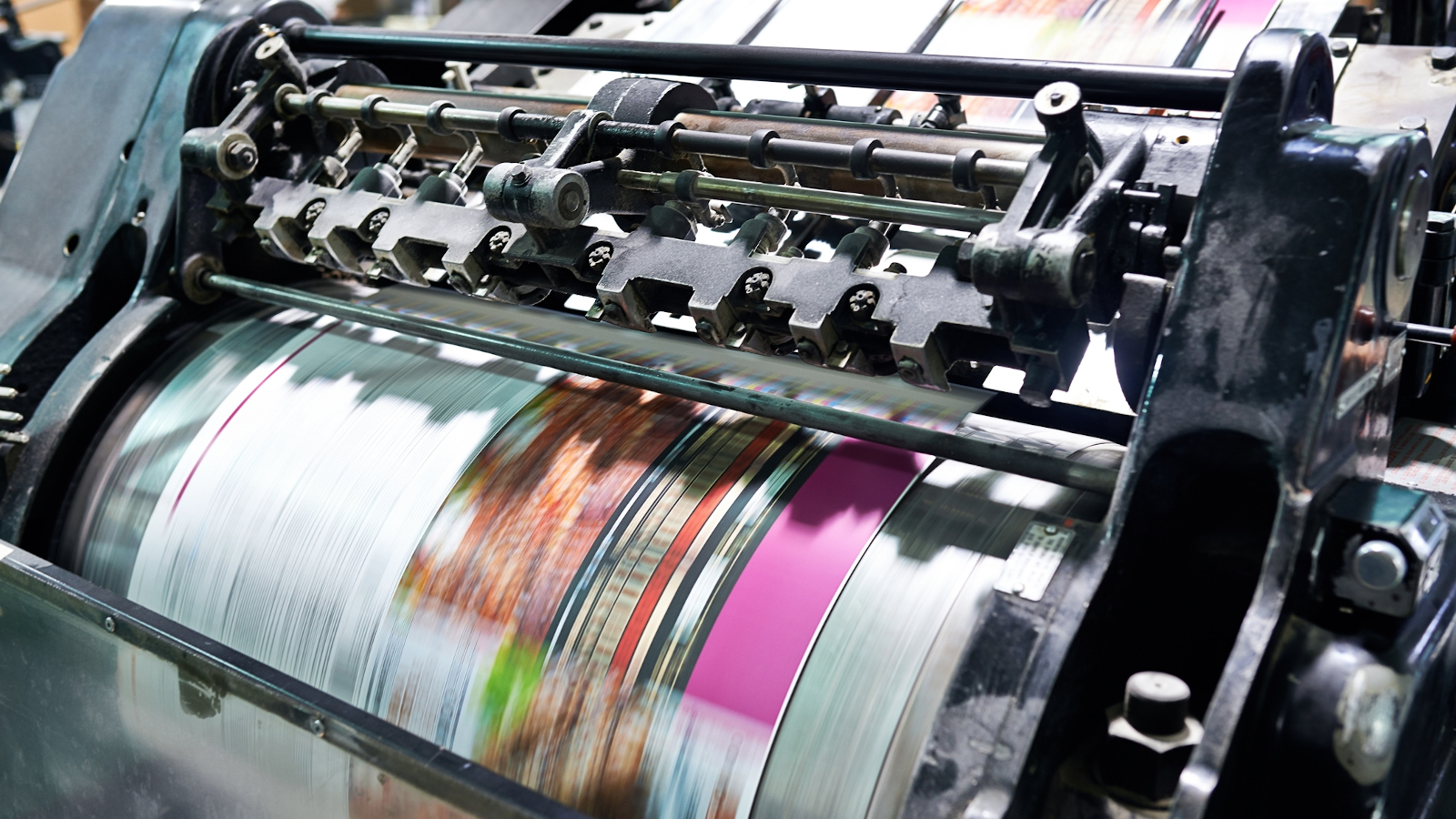
You’ve probably heard of digital printing and offset printing if you’re familiar with the printing industry. These two kind of printing are rivals in this marketplace and each has advantages and disadvantages. People have frequently questioned if there is a distinction between the two. This is so because an offset print and a digital print nearly look the same when compared side by side. This does not imply that there are no differences, though.
Despite their similarities, these two forms of printing differ significantly from one another, making them appropriate for some uses but inappropriate for others. Their definitions are where these two start to diverge.
Offset Printing
Since the ink does not transfer directly onto the paper when printing, the printing process is known as offset. On the other hand, offset printing makes use of specialist equipment known as aluminum printing plates. Onto a rubber throw, they are utilized to transfer the print. The pattern is then rolled onto a piece of paper. The ability to generate huge quantities with precise color for each item is one of offset printing’s key benefits.
Digital Printing
Using toners instead of ink, digital printing is a type of printing that is done on big printers and laser printers. The finest applications for digital printing are smaller runs of items like greeting cards, wedding invitations, and 10-piece fliers. Variable data compatibility is an advantage of digital printing. This implies that, if necessary, it can output a special code or name.

Differences between Digital Printing and Offset Printing
Some of the most frequent variations between offset and digital printing include the following:
Price- Digital printing is extremely economical for small runs. When you take into account digital printing in black and white, it is reasonably priced. However, digital printing bulk purchases are frequently pricey. Offset printing, on the other hand, is quite expensive for a single run. However, when you print more items, the cost decreases. It is therefore perfect for huge volumes.
Size- As implied by the definitions, digital printing employs smaller sheet sizes. Digital printing machines can handle sheets up to 29 inches wide but no larger. Offset printing, on the other hand, employs larger sheets ranging in size from 29 to 40 inches.
Color and image- Offset printing, by definition, produces higher-quality images, especially for large prints. The color is also referred to as ‘true.’ Offset printing is also ideal when multiple colors are required. Digital printing, on the other hand, is ideal when fewer colors or black and white printing are required.
Time- Digital printing is quick because the setup does not require much time. Even for large orders, same-day or next-day digital printing is available. On the other side, offset printing requires more time to finish. This is due to the fact that it would require several plate placements and extra time to correctly print the plates.