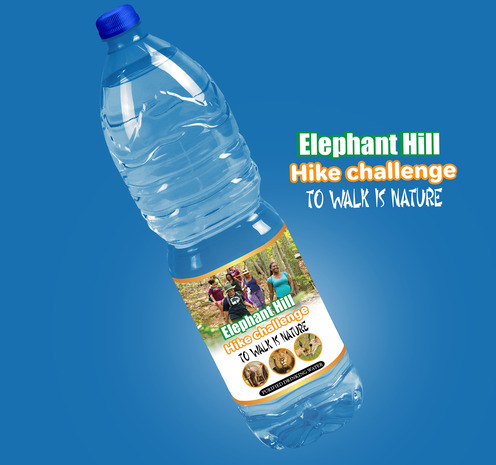
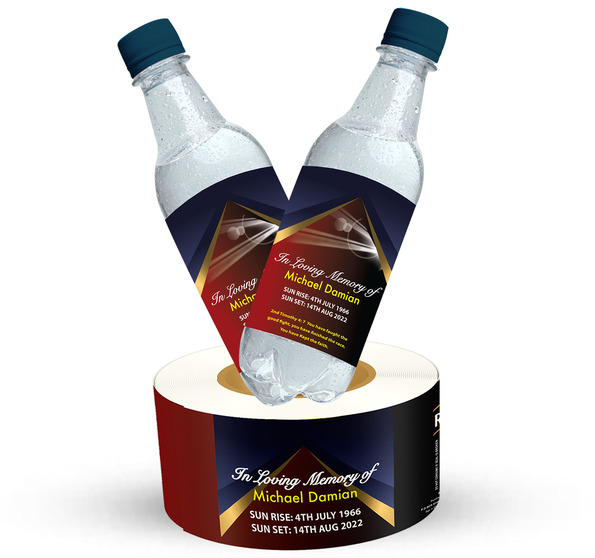
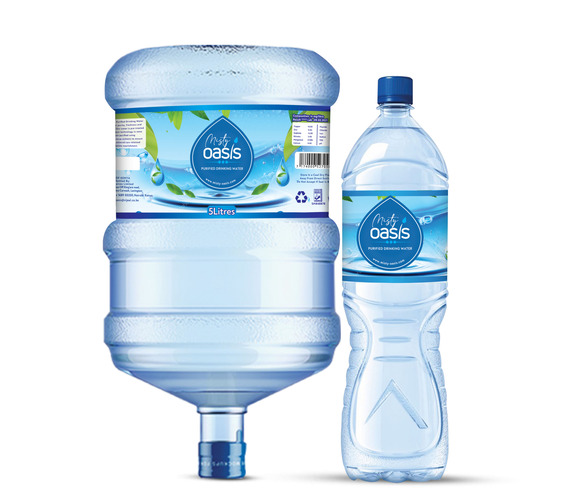
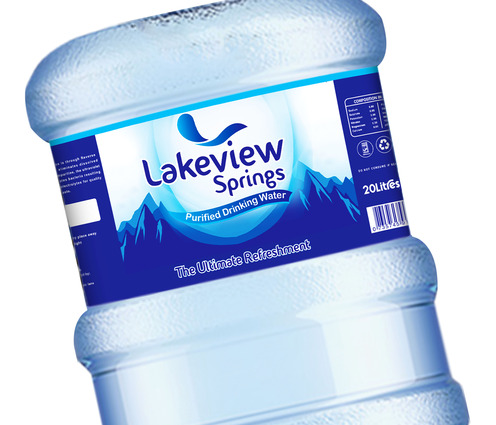
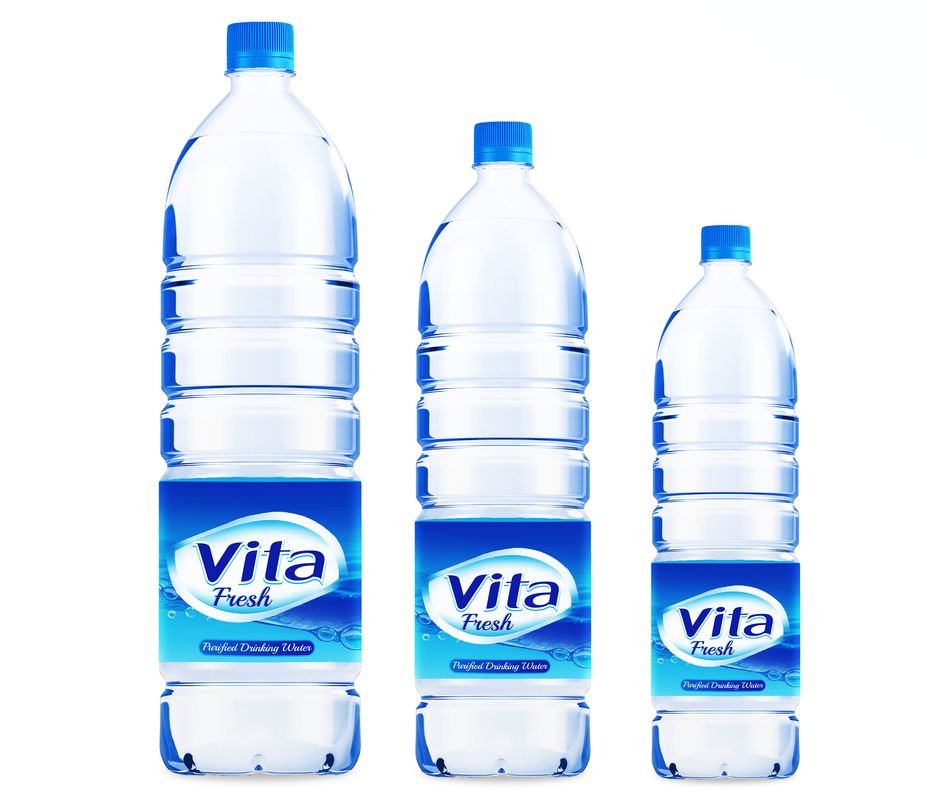
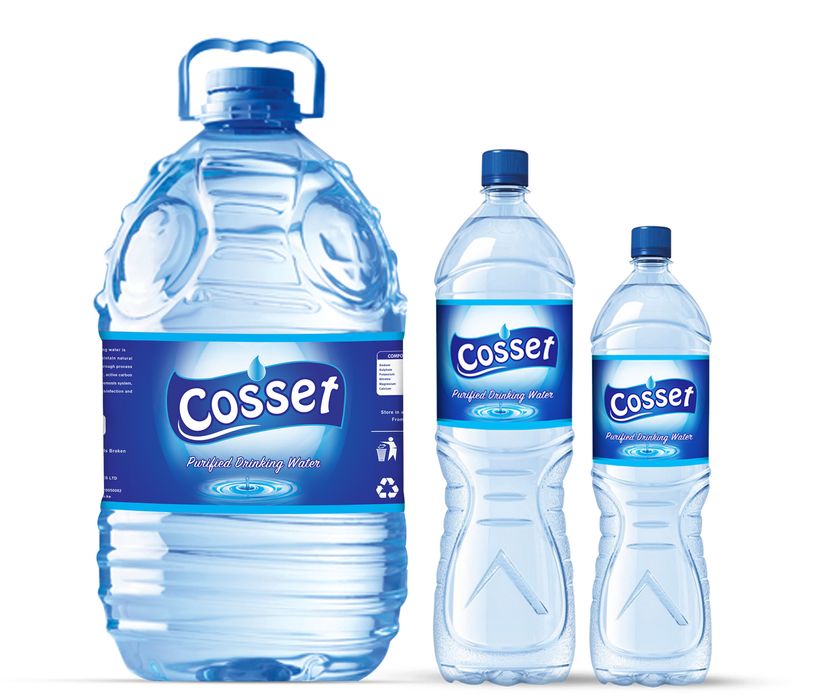
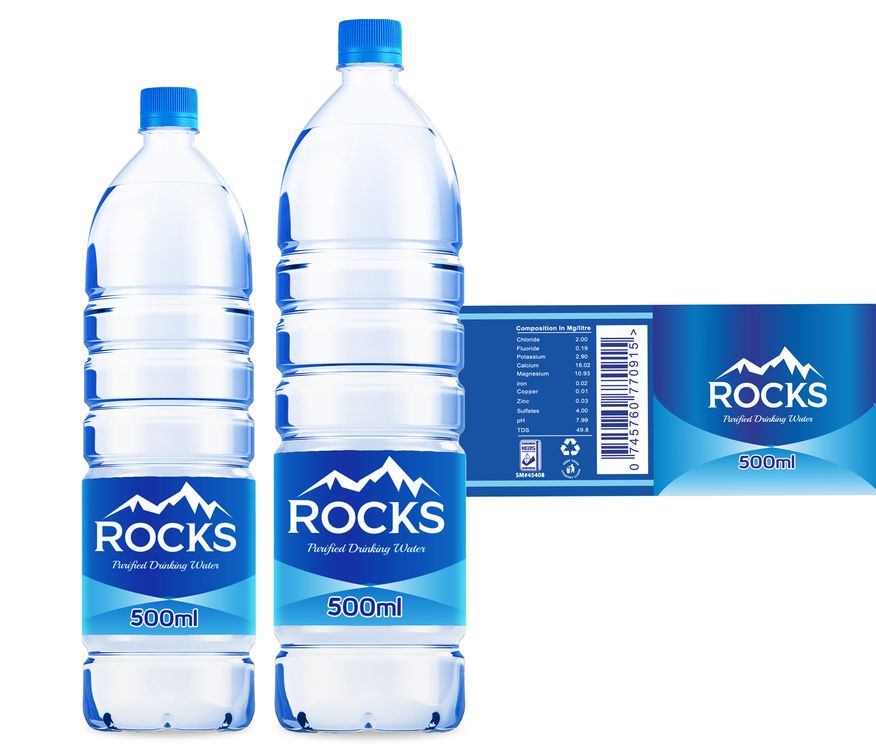
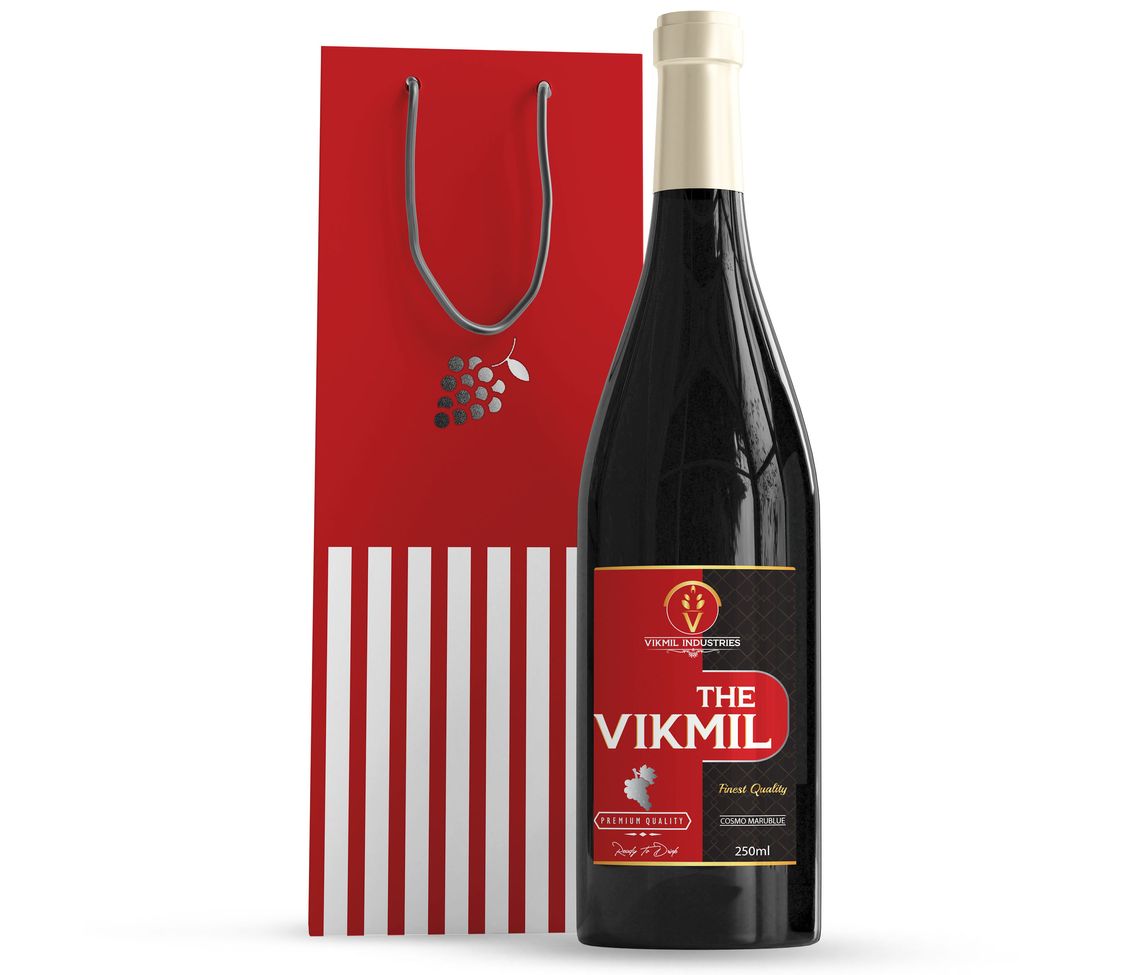
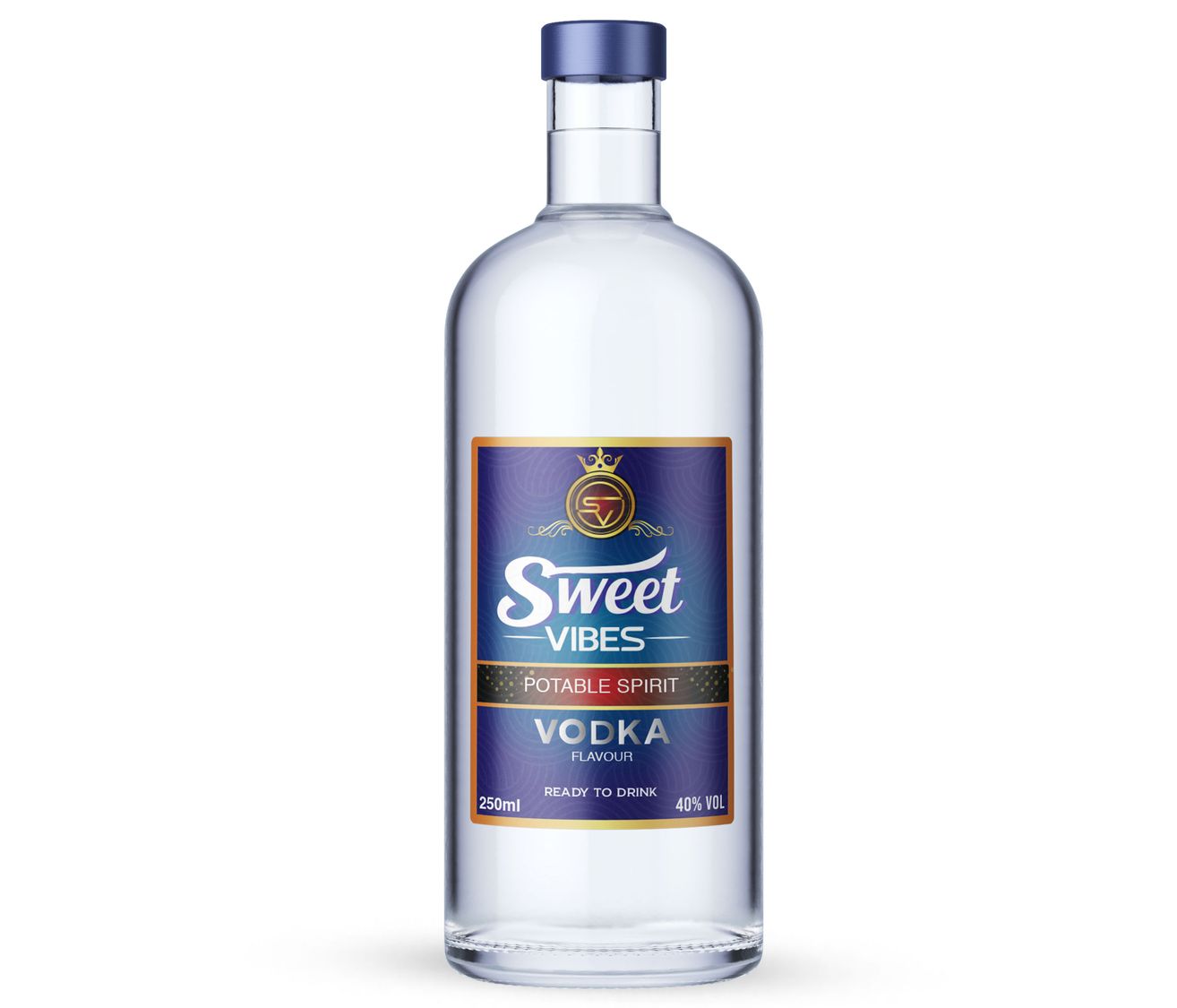
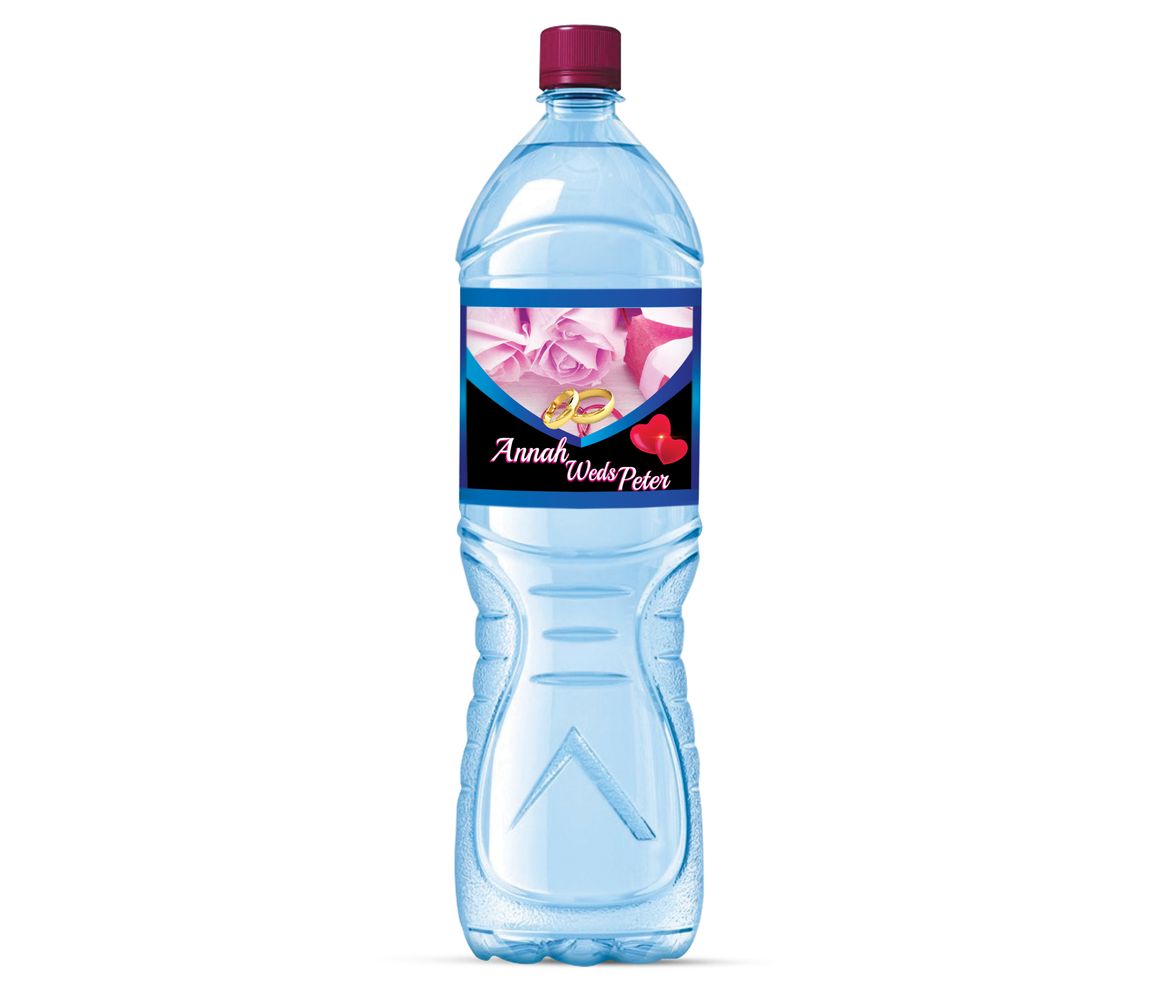
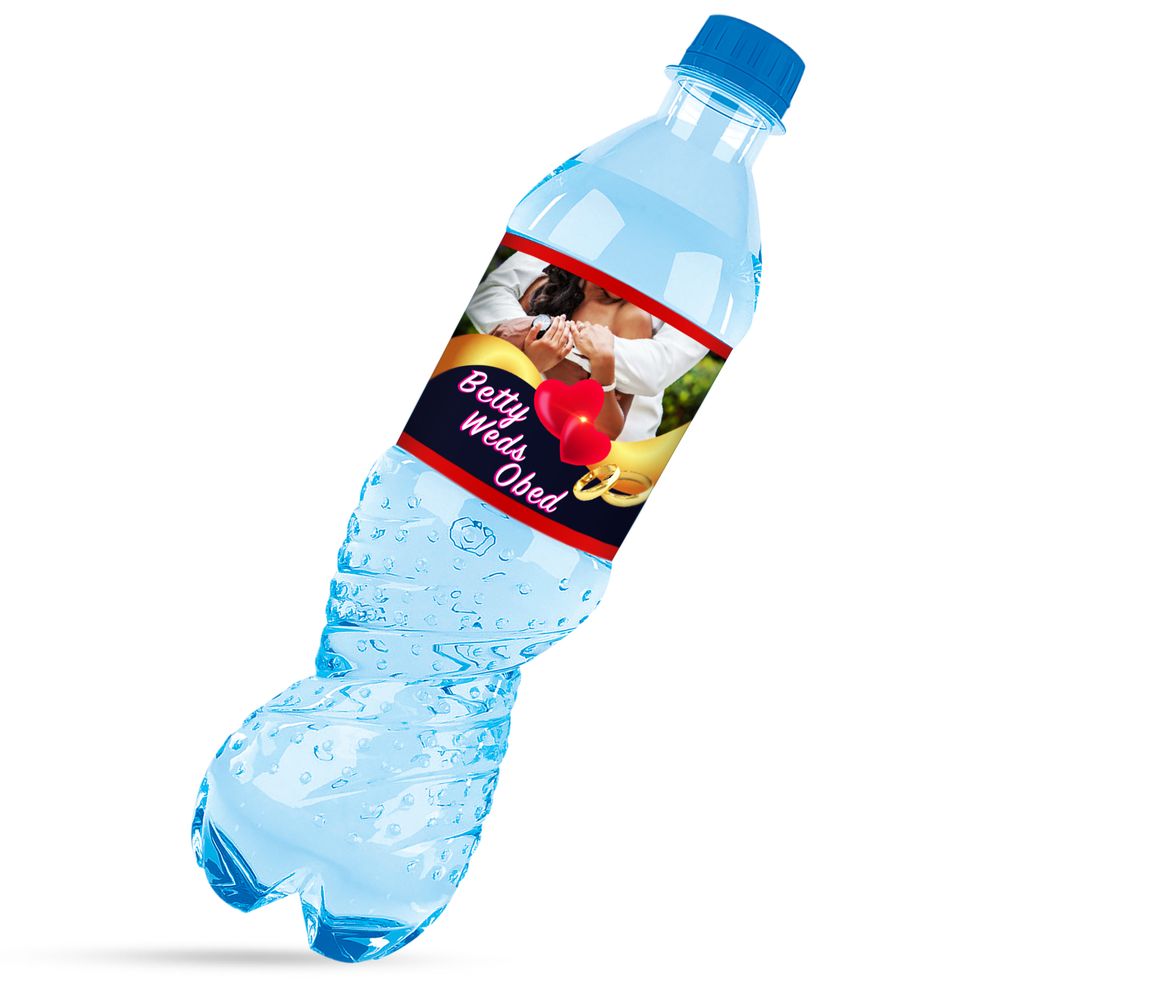
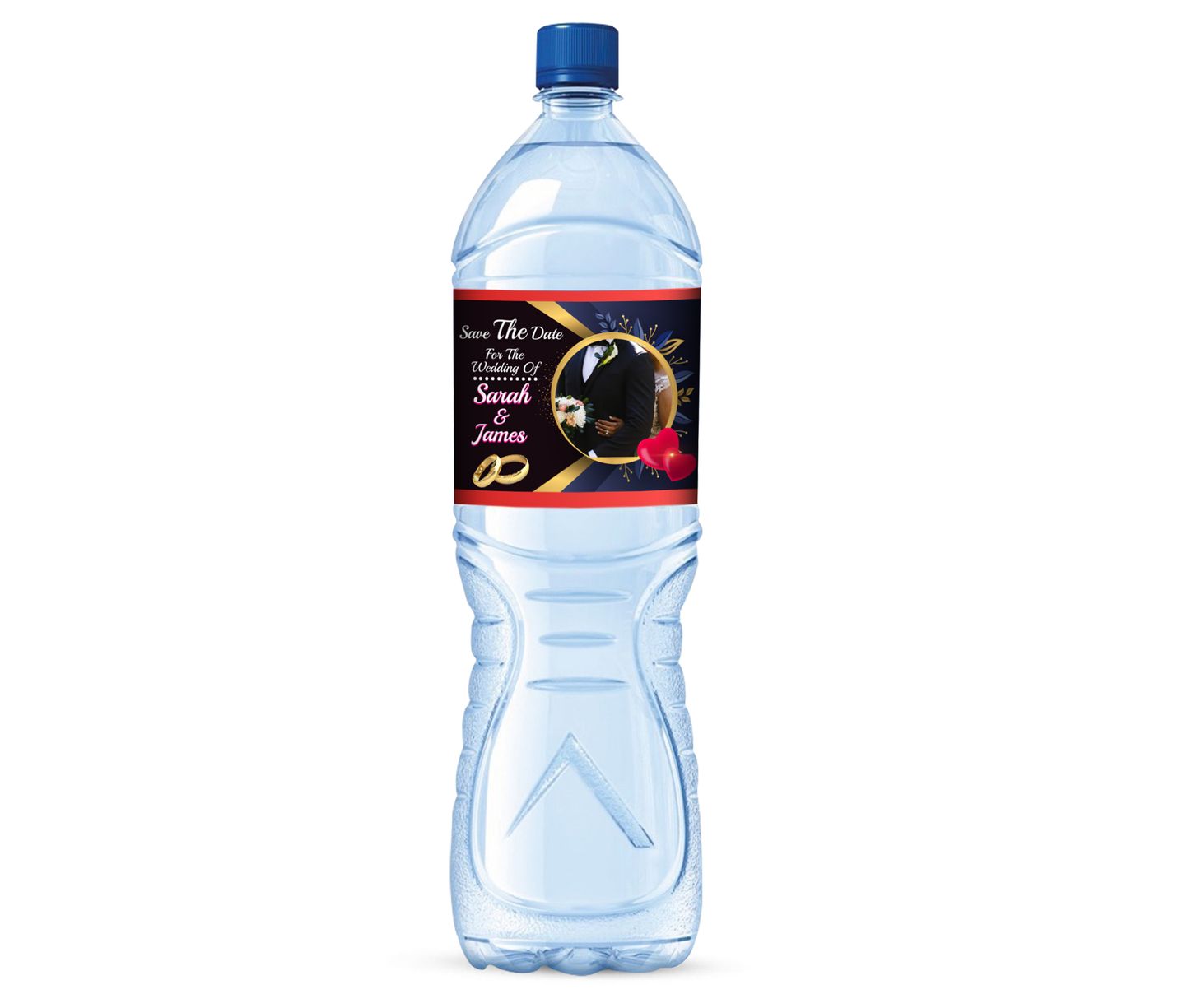
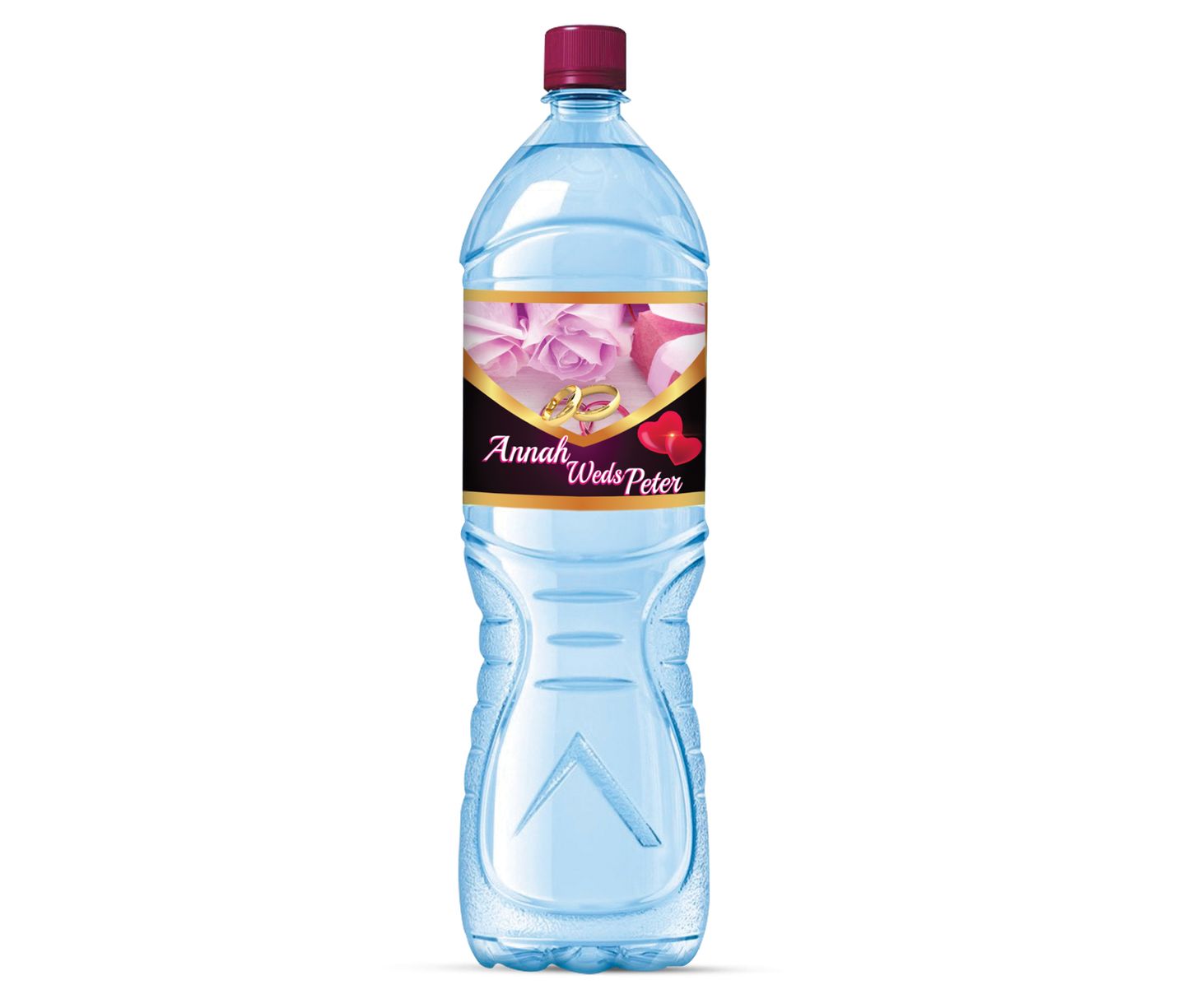
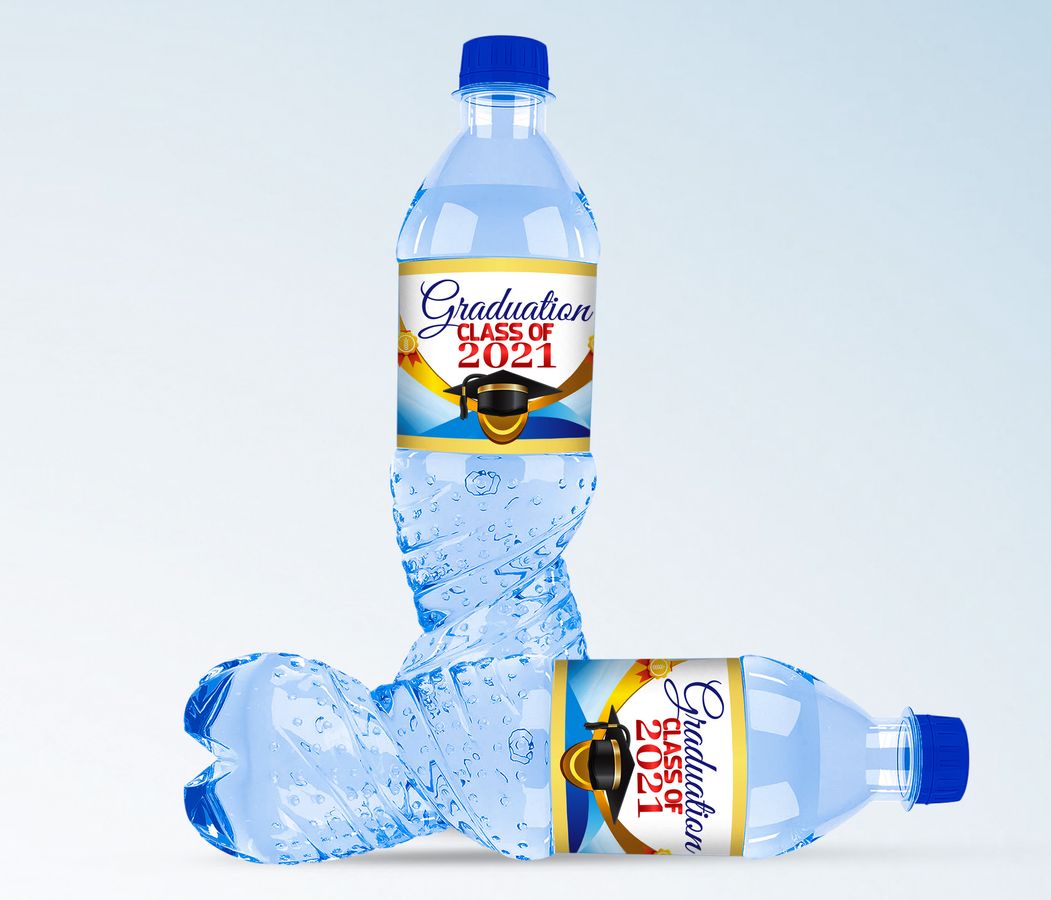
Water Label ideas Plus 150 Drinking Water packaging Designs

Creating Water Label can be challenging when you approaching for the first time if you are starting  water business, you may have information or idea in mind on how to actualize the concepts but you need the assistance of Water Label designers.

However some the Best Water Label Designs not only look good but the follow design principles that make them even more appealing.

On this article brought to you by Label Gurus designs  ,we shall discuss on Steps on How to design Water Label and the information you may need to discuss with your designers so that to get everything perfect.

The Benefit of Learning Water Label Design Ideas

There is a huge benefit that comes with Water Label ideas Plus 150 Drinking Water packaging Designs is that you get to learn how to design a water label from start to completion of the whole process, on the article we shall include all the step along which we believe if you them correctly you will tips that will make you come up with the Best Water Label Designs that meets the standard of design in the market.

Did you know a water label can unlock unlimited marketing opportunities? It’s very True

Water Label designers play a very important role in making your brand recognisable.

An effective water sticker design will showcase your brand’s product details, creating a lasting impression on your target audience.

Steps on How to design Water Label will transform your water brand into a powerful marketing tool, conveying your brand personality, with eye catching water label your brand will become unique among the competitors when displayed on supermarket shelves,

This will create attention and increase purchase decisions.

Steps on How to Design a Water Label

Step 1: Design principles for Water Labelling

A water label is not just like any other common label or Package .

When creating such a label, each country has its own rules it follows to ensure the water sticker is designed in the correct format and does not convey incorrect information.

Step 2: What are the details to put on your Water sticker

Once you know the design rules, you need to decide which details to include on your product label; these are the main details that will appear on your labels.

Every Water Label design includes specific features meant for customers.

Some common compliance elements that should always be included when designing a Custom sticker  include the water label Name or product name, composition,KEBS Number, contact address, product description, Brand logo, and capacity.

Those are the exact things customers need to know when they grab a product from the supermarket shelves, so they should be clear and well displayed.

Step 3: Water Composition

Listing your water composition is one of the most important tasks; every country has a board responsible for analyzing the water and identifying the elements present that are not harmful to human consumption.

Also note that the element composition you’re putting is common and is mostly used by other water brands on the market.

Step 4: Adding Water Description

Adding a water description to your water label specifically means it provides guidance or an explanation of the purification methods used.

We use reverse osmosis, and other water is harvested from a spring, then purified for consumption.

Customers want to know the purity of what they drink so they can monitor their health.

Always ensure the composition is accurate per the KEBS Results, and ensure your water has undergone analysis to have accurate information.

Step 5: Include KEBS Number

After KEBS has analyzed our water, they give you the KEBS Number to show the product has gone through analysis and is safe for consumption.

This shows the product is legit for human consumption; KEBS is a way to demonstrate compliance with government regulations.

This ensures your customers are safe and protected from harmful products that may affect their health.

Step 6: Adding contact information

Adding contact information is another important part of Water label design; this builds trust and credibility with your customer, such that in case your customer wants to buy or order your products, they can call, and their order is processed,

Parts of the contact include company Name, Telephone Number, premises address, P.O. BOX, Email address, and website.

Step 7: Adding Net Weight, Volume or Capacity

Always inform your customer of the quantity of water they are consuming in the water bottle.

The net weight should always be placed in a very strategic position where the customer can see it.

The net should always be easy to see and placed on the front part of the label.

For water, we mainly use Milliliters or Liters.

Step 8: Addition of Expiry and Manufacturing Date

Imagine consuming a product that has stayed longer on the shelf, only to realise the expiry date was due.

That’s why adding an expiry date to the water label is very important.

This is the Order: Start with the manufacture date, then the expiry date, then add Batch No.

Always ensure the Expiry date is easy to read.

There are some customers who, every time they grab a product to buy, check the expiry date first.

This acts as a guide to whether they will buy the product or not.

It’s always important to add storage instructions, like “store in a cool, dry place” or “keep the products in the fridge,” if one wants the products to last longer.

Step 9: Addition of Expiry and Manufacturing Date

Imagine consuming a product that has been on the shelf longer, only to realize the expiry date was due.

That’s why adding an expiry date to the water label is very important.

This is the order: Start with the manufacture date, then the expiry date, then add the batch no.

Always ensure the Expiry date is easy to read.

There are some customers who, every time they grab a product to buy, check the expiry date first.

This acts as a guide to whether they will buy the product or not.

It’s always important to add storage instructions, like “store in a cool, dry place” or “keep the products in the fridge,” if one wants the products to last longer.

Step 10: Hire a good water label designer

Designing the water label is another important part; you must work with a water label designer who knows how to create an attractive water label.

Working with a few colors ensures your final printing cost will not be very high.

Always aim to work on a very Minimalistic water label, with a good font and a good choice of background, especially bright colors.

Proper arrangement of design elements, like the logo should leave a space for easy landing of the eye.

Step 10: Choose a good Material for your water label design.

You may have the Best Water Label Designs, but if you choose the wrong material to print yourMineral Water sticker  on, the result will be really frustrating.

For the water label, always use a waterproof material since water is a product that goes in the fridge.

A good choice of material ensures your product is outstanding and attention-grabbing.

Step 10: Adding Barcode and QR code

Barcodes are for scanning products in supermarkets.

You have seen people queue in supermarkets to get their products scanned.

We use QR codes to scan information about the products, which makes it easy to learn a lot about them.

Technology has improved, and we should always keep up with the latest trends to benefit more.

Final Thought on Water Label ideas Plus 150 Drinking Water packaging Designs

When investing in water labels, always know this is your perfect market opportunity to start amongst your competitors.

Take the time to understand the steps for designing a water label that makes your products stand out on shelves.

We, label gurus designs  have the best team of Water Label designers whose role is to create an exceptional water label that showcases your logo and important information about your water packaging.

When it comes to Best Water Label Designs, simplicity and minimalism are effective approaches to water label design.

Frequently Asked Questions About Water Label Design

1. What information should be included on a water bottle label?

A good water bottle label should clearly communicate the information customers need before buying the product. This normally includes the brand name and logo, product description, water composition, capacity or volume, manufacturer or company contact information, manufacturing and expiry details, batch number and relevant certification or compliance information. The most important information should be easy to find without making the water label look overcrowded.

2. How do you design a good water bottle label?

Start by understanding the water brand, target customers, bottle size and information that must appear on the label. The next step is creating a clear visual hierarchy so the brand name and logo attract attention first, followed by important product information. A good water label design should use readable fonts, suitable colours and enough spacing between elements. In many cases, a simple and minimalistic design makes bottled water look cleaner, more professional and easier to recognise on a supermarket shelf.

3. Why is water composition important on a water label?

Water composition helps customers understand what is contained in the water they are drinking. The information should come from the appropriate water analysis rather than being copied from another brand. Depending on the product and applicable requirements, the label may show relevant mineral or chemical composition information. Accurate composition details make the label more informative and help build customer confidence in the bottled water brand.

4. Should a water bottle label include the purification method?

Including a short product description or purification method can help customers understand how the drinking water has been prepared. For example, a brand may explain that its water has undergone a particular purification process or comes from a particular source, where appropriate. The description should be accurate, concise and based on the actual water production process rather than using claims that cannot be supported.

5. Where should the KEBS information appear on a water label in Kenya?

For bottled water sold in Kenya, applicable KEBS certification and compliance information should be incorporated into the label in a clear and readable position according to the requirements that apply to the product. It should not be hidden by decorative graphics or placed where it becomes difficult to read after the label is applied to the bottle. Before printing large quantities of labels, the final artwork should always be checked against the current regulatory and certification requirements for the specific bottled water product.

6. What is the best material for printing water bottle labels?

Water bottle labels should generally be printed on material that can handle moisture, refrigeration and normal handling. Because bottled water is often kept in a refrigerator or exposed to condensation, the label material and adhesive should remain secure when the bottle becomes wet. The best material will also depend on the bottle, printing process, desired finish, production quantity and budget, so it is important to discuss the application with your label designer and printer before production.

7. Why should the bottle capacity be clearly shown on a water label?

The capacity tells customers exactly how much water is contained inside the bottle. Common bottled water sizes may be expressed in millilitres or litres, such as 500 ml or 1 litre. The volume should be easy to locate and read, rather than being lost among background graphics. A clear capacity declaration also makes it easier for customers to compare different bottle sizes when making a purchase.

8. Do water bottle labels need manufacturing dates, expiry dates and batch numbers?

Manufacturing information, expiry or best-before information and batch identification may form an important part of bottled water packaging and traceability. The label design should therefore leave a practical, readable area where the required date and batch information can be printed or stamped during production. Planning this space during the design stage prevents important information from being placed over dark graphics or other parts of the artwork where it becomes difficult to read.

9. Should I put a barcode or QR code on my water bottle label?

A barcode can be useful when bottled water will be supplied through supermarkets, shops or other retail systems that scan products. A QR code serves a different purpose and can direct customers to information such as your website, product details, social media pages or promotional content. Both should be positioned with enough clear space around them so they remain easy to scan after the label has been printed and applied to the bottle.

10. Why should I hire a professional water label designer?

A professional water label designer helps turn your brand information into an organised label that is attractive, readable and suitable for printing. The designer considers the bottle dimensions, logo placement, colours, typography, information hierarchy, printing material and available space for regulatory or production details. A well-designed water label does more than decorate the bottle; it helps customers recognise the brand and gives the product a more professional appearance when displayed beside competing bottled water brands.


error: Content is protected !!
Open chat
Hello Label Gurus, I got your number from your website and I wish to get some services from you.