

Water Label Design Services in Kenya
Water Labels for Water Companies
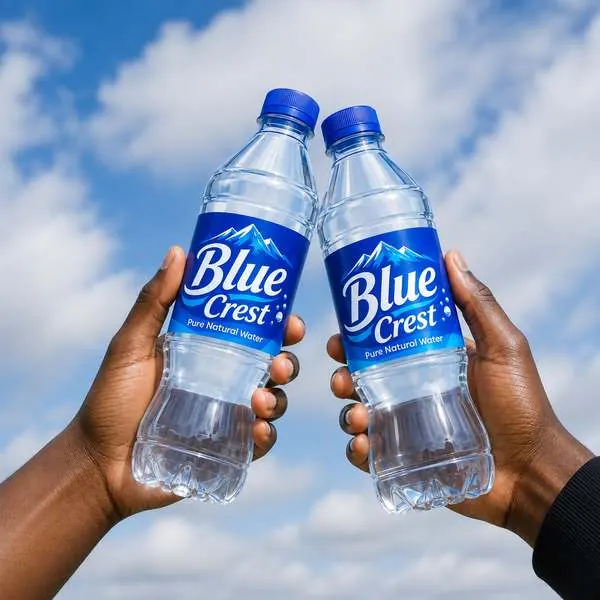
business water labels
Best Water label Designers In South Sudan
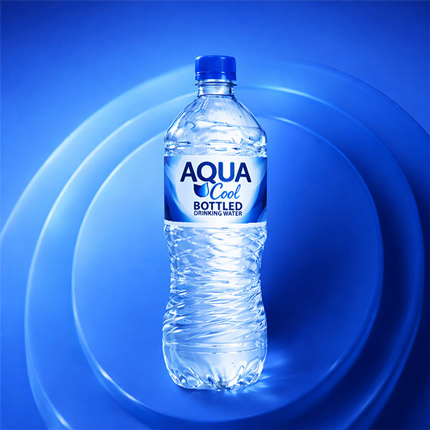
business water labels
Water Label Designs Services in Tanzania
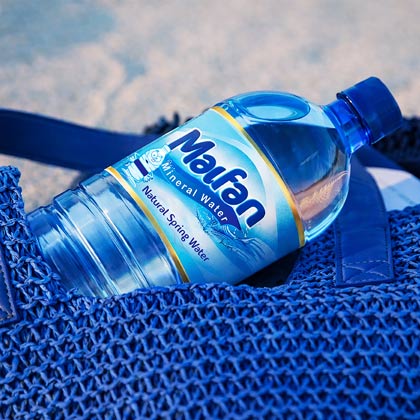
business water labels
Water Bottle Label Designs in Kisumu
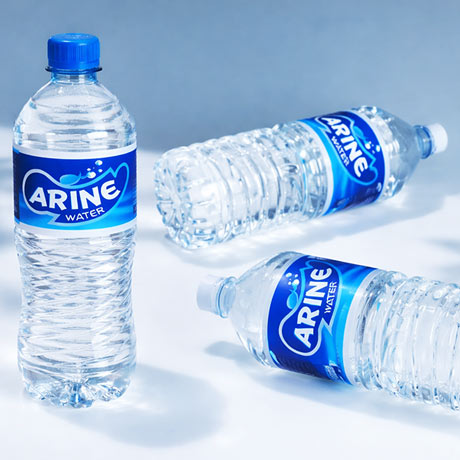
business water labels
Water Label Designs In Mombasa
business water labels
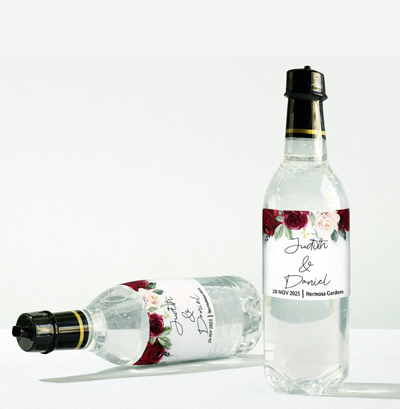
Wedding Water Label Designs in Nairobi
business water labels
Online water bottle label makers

business water labels
Water Labelling in Kenya

business water labels
Branded water stickers In Nairobi Kenya
business water labels
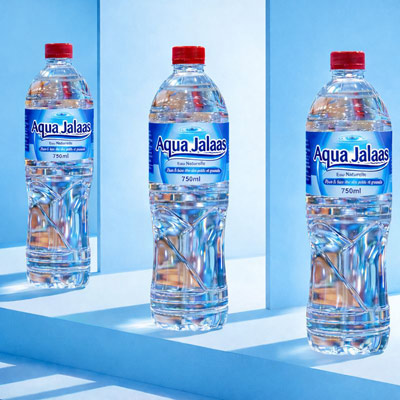
Branded Water Bottle labels

business water labels
Custom Water Bottle Stickers

business water labels
Water Label Designs In DRC Congo

business water labels
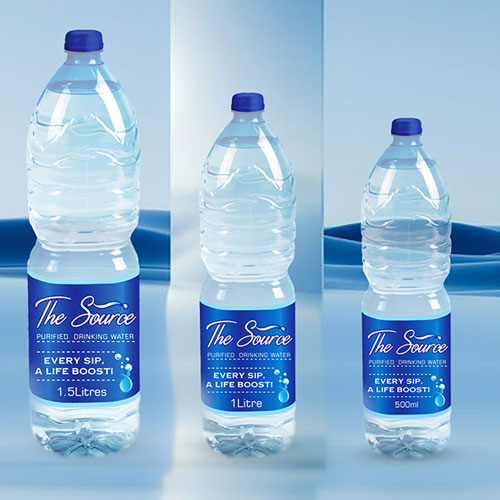
Water Label Designs In India
business water labels
Water Branding Services

business water labels
Corporate Water Labels

business water labels
Customized Water for Organizations

business water labels
Soccer Event Water Bottle Labels
business water labels
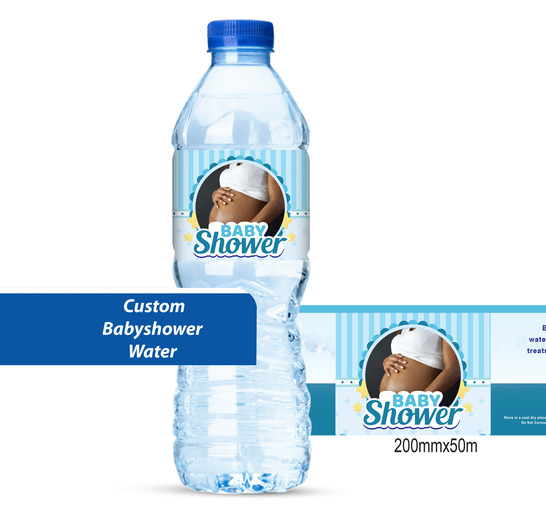
Baby Shower Water Bottle Labels

business water labels
Club Water Labels

business water labels
Club Event Water Bottle stickers designs

glass bottle water labels
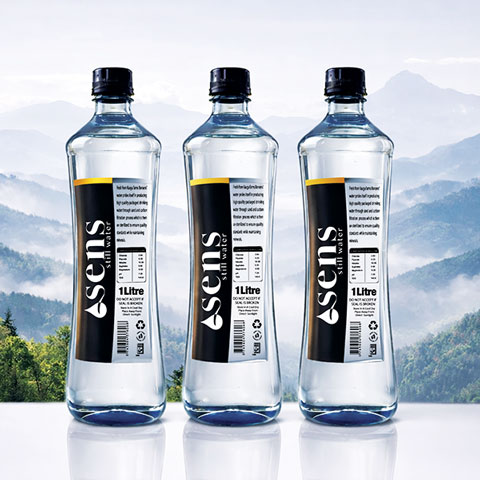
Glass Bottle Water Labels
clear water labels
Clear Water label designers in Nairobi
business water labels
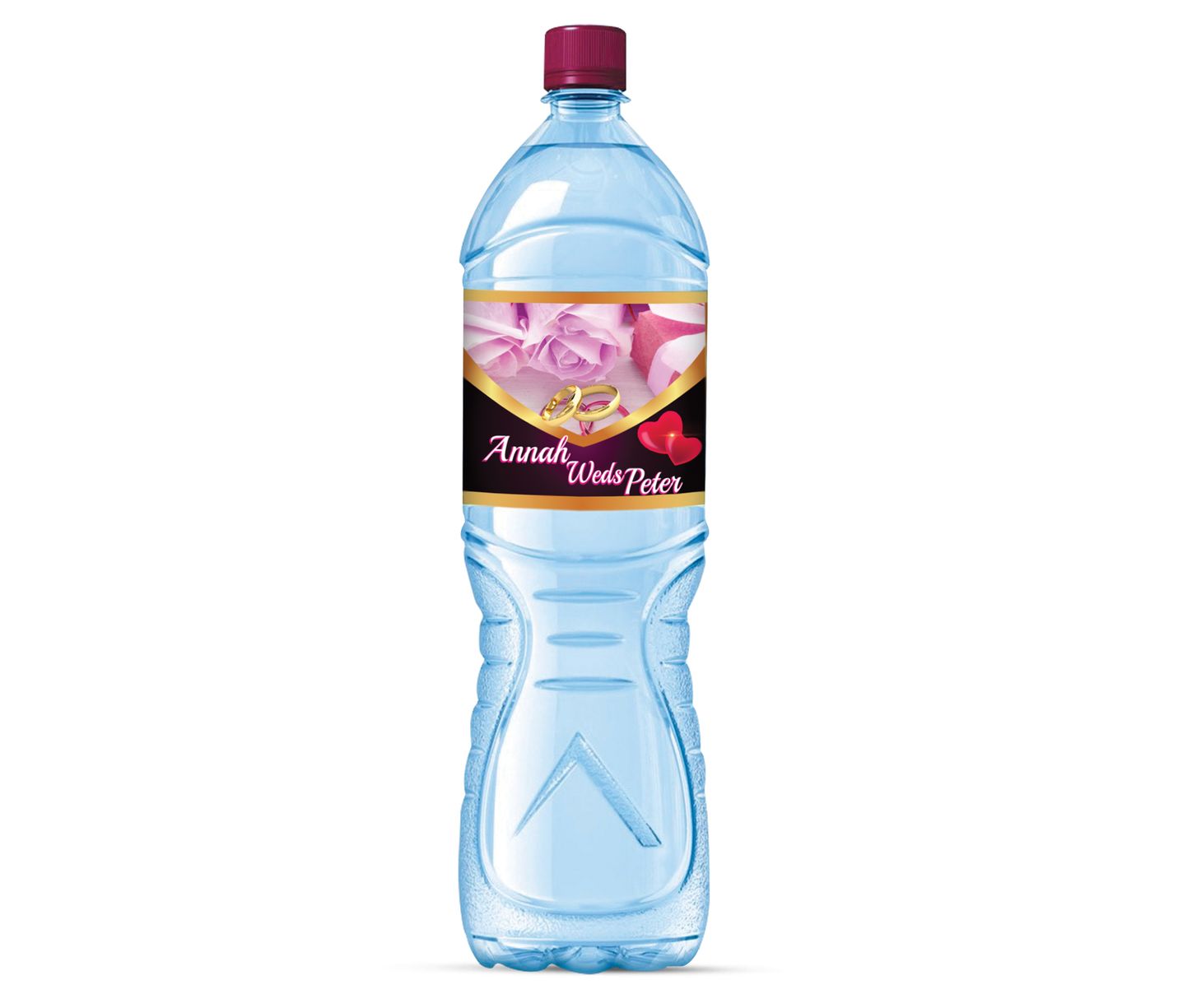
wedding water bottle labels

business water labels
Water Labels for Clubs

business water labels
Restaurant Water Labels
Other Water Labels Categories


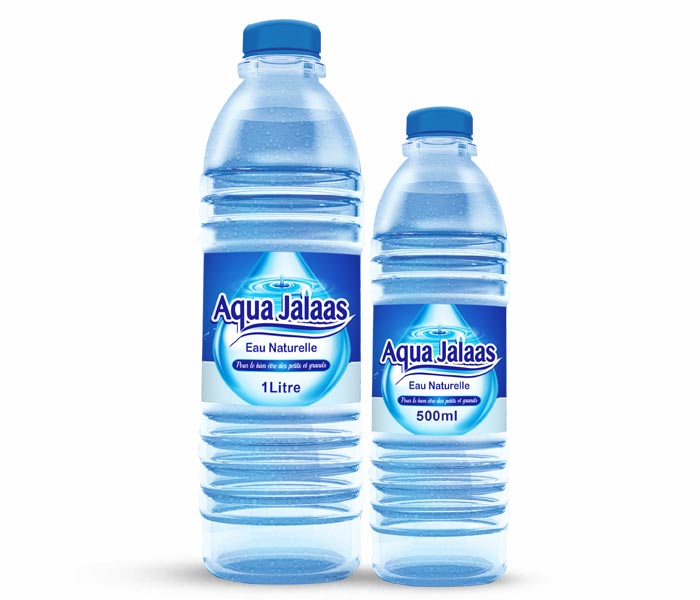


Get Inspiration Water Labels Kenya
We Label Gurus designs . We specialise in Water Label Design Services in Kenya. As a business, you need water label designers Kenya, to help you craft your water packaging. That’s why we offer professional water label designers Services Kenya to help new entrepreneurs entering the water industry find solutions. We have full access to water label designers Nairobi Kenya., who can create stunning, unique water labels, ensuring your water brand stands out on shelves. With Innovative design expertise, we are able to stand out on store shelves and create vibrant visual water bottle labels Kenya. Whether you are starting a beverage business or water business, we’ve got you sorted.
Why work with Label Gurus design when it comes to Water Labels Kenya
We have very competitive rates for Water Label Design Services in Kenya. If you are worried or have a decision holding you back, and fear sourcing our design services.
Our water label designers Kenya, are flexible and can meet all your water bottle label and Kenya packaging design needs.
We believe all businesses, whether small or established, deserve equal chances and need a strong water label design that leaves a lasting impression in the market.
Your brand deserves to be Vibrant and noticeable on the shelves, whether it’s at corporate events or normal events. That’s why we recommend water label designers Nairobi Kenya , to ensure your custom water bottle label stand out and are ideal for the market.
Getting High Quality Water Labels Kenya
Imagine simple Water Label Design Services in Kenya can transform your water, your business, and purchase power? A water label with a professional, standout design can boost your market sales and increase your earnings.
The differences between water label designs that get recognized on shelves and those that customers pass by are determined by the hard work of water label designers in Kenya.
With our water label design services in Kenya, you don’t just get any visual design; you get a powerful brand that will put you in a market position where clients can find you. In Addition to the design of your water label, we also advise you on the best printable materials to stand out on supermarket shelves.
For businesses looking for water bottle labels in Kenya, we can meet a wide range of label design needs.
Five things to put into consideration before even beginning with the water label design.
Not sure where to begin your journey? Our water label designers Nairobi Kenya , will guide you through every step to get your brand into the market, from design to printing, until you receive your premium printed water bottle labels Kenya.
The water label is a very sensitive field, and you don’t just dive into the market blindly. Before you even begin the design journey, here is the list of things you need to know.
1.Water Label Sizes
We have different water label sizes and water label capacities. Before getting to the market, always ask yourself which capacity you intend to sell, and you will get value for your money. We have 500ml, 1l, 1.5lts, .5lts, .10lts, and 20l. All these labels have their own sizes.
2.Water Labels Printing Formats
Which format do you intend to print your label in? We have Flexographic printing formats where the label comes in rolls, and digital printing formats where the label comes in sheet form.
3.Water Label Printing Materials
Knowing which material to use will help you determine which will suit your water custom sticker , depending on the target market. For example, if you are targeting a high-end market, how will you incorporate material such as gold foil or silver foil to make your brand stand out?
4.Water Label Shapes
Water Label designs come in all shapes, determined by the bottle mold. There are labels that come in square, rectangular, triangular, or other special shapes, so when you enter the market, do good research and know the exact water bottle label shape you may want to work with.
5.Water Label Finishing
When a label is printed using flexography, gravure, or digital printing, various finishing methods are used. We have a common UV finish, which makes the label more appealing and ready for market.
Water Label Printing Type:
When designing a water label as a client, it’s always helpful to know which printing colors to incorporate into the design. We have full color, which is CMYK, or spot color, where we have spot blue, Sky blue, Spot red, or Spot Green, so it’s always good to ensure you specify with the water label designers Kenya, the color to put on your water label.
6.Water Label Printing Minimum Quantity
Every time you think of Water Label Design Services in Kenya, always be prepared with the minimum quantity, However, most label and printing companies in Kenya have a specific minimum quantity. If you are new to the market, you want a friendly low quantity to start with. Always do the research and find out which company you can start with.
Another important point to note is that each label printing material has a specific quantity that that the company wishes to print.
Why Water Labels Kenya Matter in your Brand
1.Enhances Brand Visibility
Water Label Design Services in Kenya is more than the brand name; the main purpose is to enhance brand visibility.
A very creative and timeless self-adhesive water sticker can communicate a ‘sbrand’s corporate identity.
2.Display Essential Label Products
Essential information for the water label includes water composition, contact parts, logos, and water description on the mode of purification.
3.Beauty Purpose
It’s every person’s dream to see their brand outshine other brands on supermarket shelves and in stores. Investing in water label designers in Kenya ensures your brand has a lasting impression.
How to start a Water Brand in Kenya
Step 1: Study the market
The first step in starting a water business in Kenya is to conduct market analysis. All fast-growing and profitable businesses in Kenya have competition. Studying the market helps you see:
- What other companies are doing, what customers want, and how to offer unique products to your target market
Step 2: Choose a great brand name for your water label
Have a unique name ready when looking for business ideas for Kenyans. Memorable, clear, and good-sounding brand names attract attention. Adaptability is also important as the name must fit into the logo, tagline, and company slogan to improve brand consistency. This makes it easier for water label designers in Kenya to deliver a professional label design that fits your brand.
Step 3: Register the name after doing a search
Visit the eCitizen portal to access these services. On the portal, you’ll see if the name you’ve chosen is currently in use and follow the business name registration steps. Point to note: When you register your name with E-Citizen, it is not enough. If you really value your brand and want to see it grow, consider applying for Trademark registration with KIPI. That’s the only way your brand will be secured.
Otherwise, every time you overlook the little things, other competitors will spot a loophole and bring your brand down; they will wake up, register your brand, and start offering the exact services you offer. Pursuing trademark registration means following the proper legal process to secure your brand.
Step 4: Set up a location
Find a warehouse or shop to set up the water business. Location depends on the budget, business size, proximity to customers, and compliance with local laws.
Step 5: Buy machines
Importing from China or buying locally-made machines from Nairobi are great options. It depends on your budget and the types of machines you need to start this fast-growing business in 2026.
We also have a locally made purification machine in Kenya that you can always opt for; you don’t have to go to China or any other country to import.
Step 6: Approach a graphic designer
Remember, you don’t have a logo or personalized water bottle label yet. Here’s where Label Gurus comes in as Kenya’s best water label designers. We bring you closer to figuring out how to start a water business in Kenya by:
Step 7: What Our Water Label Design Package Entails
a) Water Logo Designing:
We start by designing a logo with three optional concepts to choose from. Water Label design: Design your water label using three design concepts, providing up to three options.
b)Water Logo Designing:
We present your design on a water bottle mock-up to give you an idea of how your brand will look when printed and applied to your water bottle.
c)Putting the Right details for the water label:
The right details for the water label include composition (null at this point), water description, contacts, barcode, and Kebs, without the Kebs number. Note that at this point, you have not visited Kebs for your water products approval, which means you don’t have an approved Kebs number or an approved composition.
d) Water Label Resizing:
This means we have to resize your label from 500ml to 20L
e) Top Seal Designs:
For 20 Ltrs and 10 Ltrs, they need to have a top-seal design measuring 54mm by 54mm. Security seal design: You can either customize a security seal or buy a ready-made one. At this point, we set the water composition to null so you can proceed to the next step.
Step 8: Print the sample water label
Once you have printed the personalized water label, go to the Kenya Bureau of Standards (KEBS) for approval. A KEBS official will schedule an appointment to visit your plant, test the water, and grant approval if you meet all the requirements. The water test results take between 2 weeks and a month, after which you receive a KEBS certificate with accurate water composition results and a unique KEBS number.
Step 9: Pay a second visit to Label Gurus
Initially, we left the water composition details empty to allow KEBS to do the official test. When you visit Label Gurus, the best water label designers in Kenya, again, you’ll provide the certificate with the relevant details, including a KEBS sticker, so we can update the water label design.
Choosing the right water label designers in Nairobi, Kenya
Selecting where to source Water Label Design Services in Kenya is your top priority! If you are to build a timeless water brand. Our water label designers Kenya create an appealing design that is ready to meet the high-end market.
If you’re looking for Vibrancy and Elegant Visibility in the market, Label Gurus’ design is the way to go. Choosing the right water bottle labels in Kenya ensures you stay in the market without struggling to reach your audience, with professional, polished work.
Water Label Design Services in Kenya Design Process for Label Gurus designs
1) Design Consultation
The Process for Water Label Design Services in Kenya is always starts with a consultation to understand the type of design our client wants and the design specification for the water label,
2) Design Research:
Our water label designers in Kenya conduct research to understand the water market and the competitors our client intends to compete with.
3) First Draft Design
Based on the client’s information, our team of designers develops initial draft concepts, which are submitted to the client for evaluation.
4) Design Refinement
Once the client has selected the design concepts to work with, we begin refinements, which also involve entering the correct information. At this point, the client has the composition from Kebs and the barcode, so our designer ensures all the information is included and prepares the label for printing.
5) Preparation of the Final Water Label for printing
Preparing the final file for printing means performing color separation, and color sampling means determining whether the label will be printed in spot colors or full CMYK.
Choosing the Right Material for your water bottle labels, Kenya:
Selecting the right material for your Water Labels Kenya is very important, since it will determine the final look. In addition, bear in mind that water is a product that will definitely be stored in the fridge, and it needs a waterproof material.
Let’s say you are targeting the high-end or premium market; PP Clear Water label material will be the best option, as its aesthetic appeal suits such a market.
If you are seeking to reach a common market where mass supply is the key determinant, you may opt for Shrink Sleeve material.
Choosing the right material guarantees you a professional, appealing design. The good news is that designing water bottle labels in Kenya is more than just logo placement and conveying information on the label.
When selecting the water label printing material, understand the differences among materials on the market, since the final printed label ensures your functionality in the market.
The goal of the water label designers Services Kenya is to ensure they convey the water brand’s identity in the most professional way.
Water Sticker Label Printing and Materials Used
We have conducted a thorough analysis of the importance of designing Water Labels Kenya. However, the journey doesn’t end at design. Printing is just as important, and must be done in the best way to present the stickers well on water bottles. We can give you the best water bottle labels in Kenya, but if printing doesn’t meet the standards, the entire process will be useless. For a stunning and long-lasting end result, our sticker designers recommend:
1.BOPP
This is a commonly used water label material thanks to its appealing finish. It is quite inexpensive, but the gluing is only done at the edge and tips where the label connects around the bottle. Still, this is the best choice of water bottle labels if proper UV lamination is done.
2.PP White
This is a moisture-proof material with a self-adhesive glue spread throughout the sticker, making it more secure during application. Also, PP white material gives a brilliant finish if we apply a final varnish.
3.Shrink Sleeve
It is a material suitable for local mass-market targeting, as it is effective yet quite affordable. Shrink sleeves look like a nylon paper applied using a heat gun. Fortunately, this material needs no gluing.
4.Gold and Silver Foils
For more premium uses, we recommend these foils, as they are shiny and are used to coat PP white, PP clear, and shrink sleeve materials to improve their aesthetic appeal. Mostly, gold foil conveys sophistication and high quality, so it’s commonly used on premium water labels.
5.PP Clear Water Label
This is a premium, transparent, waterproof material mainly used for high-end water labels. If you intend to get into a premium market,, ensure you check this kind of material; it’s worth the time.
The futures of a Good Water Label Material
Long Lasting: A good water label should be Durable over the span of duration without getting damaged
UV vanish Coating: This gives the water label a shiny, appealing look and also prevents it from being damaged by water.
Waterproof: Waterproof means the water label will not soak easily or be damaged by water
Self-Adhesive Property: This means the water label has been glued perfectly and sticks well to the water bottle surface.
Special Shape flexibility: The water label can come in various shapes, depending on the bottle shape and the mold of the bottle
The Importance of Water Label Sizes
Now you know the type of label material we have, it’s also important to understand Standard sizes for water bottle labels.The key idea for a water label designers Services Kenya is to ensure the label fits the bottle perfectly without folding at the edges, while also giving the bottle a minimalistic, professional look.
When it comes to water bottle sizing, we leave no stone unturned, and our team will always ensure we provide the exact measurement for your water bottle label so the final result is appealing.
What happens when you get the wrong sizes for your water label? Your label will always leave empty spaces, and it looks like something was left unfinished. To be honest, this won’t look professional, especially if your ambition is to penetrate the market and stand out.
Common Water Label Sizes: We have
One common mistake you are likely to make if you own a water business is not knowing the right fitting size for your water Sticker , even the printing company needs the actual label size in order to give a quote:
The good news is that we label gurus’ designs. We have sampled some of the common standard sizes to ensure we give you guidance and avoid using the wrong size:
Some of the common sizes include:
- · 7.874″ × 3.346″
- · 7.874″ × 1.969″
- · 10.079″ × 2.480″
- · 11.024″ × 2.441″
- · 11.417″ × 2.559″
- · 7.087″ × 1.772″
- · 7.480″ × 1.772″
Why assume the water label size will cost you More
An evenly distributed water label is appealing; if you fail to observe your water label size and take incorrect measurements, this will eventually go against you.
1.Uncomplete Brand Polish up
It doesn’t matter how excellent your labels look; every time you look at the poor label resizing, you’ll feel something is wrong somewhere.
2.Prevent Visibility of Important Details of the label.
Some of the important details on the label include water description, composition, barcode, kebs, and contacts. When these details are not clearly visible in the design, it will affect how people perceive your brand.
3.Repeat Printing Process
This happens after the brand has gone to the market, and you realize that the resizing was not done perfectly, so you have to commission the water label designers in Kenya again to resize the label appropriately.
In Addition to that, always make sure your label is properly sized before even approaching the printer.
Factor: Determine your sizes For Water Label Design Services in Kenya
Before even inquiring water label designers Services Kenya or getting to start your water label printing, the factors that determine your water label size are
1.Bottle Mold Shape Circumference
The common water bottle labels Kenya uses are the labels that go around the bottle to determine the size. You measure the circumference of the bottle, then measure the distance from the center to determine the label’s correct length.
2.Special Shape bottle
This means these bottles are neither square nor rectangular; they have an irregular shape. To determine such a label size, you have to measure the die size and the keyline, depending on the label.
The Common Shapes of Water Label
For Water Labels Kenya, you can adopt a rectangular, Oval, or square shape bottle for your mineral water bottle. By choosing our water label designers in Nairobi Kenya, you can work closely with them to ensure you get the right size for your water label.
Picture a well-resized water label placed on supermarket shelves! To make such a dream come true, you need water label designers Kenya to ensure your brand is eye-catching and draws your customers’ attention.
On the other hand, if you are seeking a good printer for your water bottle labels in Kenya, we are here to provide one. Moreover, our main goal is to make your design a walking billboard advertisement that will not only expose your brand but also enhance brand recognition.
How to Measure Your Water Label Size without Making A mistake
if you are new to the market, this may be hard to do:
Step 1
Take a Tape Measure or a string around the bottle to determine its circumference, allow for overlap, and note the measurement. You can also use a piece of
Paper in case you don’t have a tape measure.
Step 2
Determine the height of the bottle where you want your label to cover. A lot of the time, this bottle shape leaves space for the label. You can use a flexo rule or a 30cm ruler to do the measurement.
Step 3
Note that labels like shrink sleeves have an allowance, so if you are measuring a label size and you are sure you will use a shrink sleeve label, always add an extra 10mm allowance. On top of the water label, add 2mm at the top and 2mm at the bottom for accuracy.
Step 4
Indicate the water label measurements and share them with the printer or designer so they can prepare the water label artwork.
Why Water Labels Require Waterproof Material
I have seen people entering the water business make this mistake: they print their water label on Semi-Gloss material. Remember, most people prefer to store water in a fridge or refrigerator, so the most preferred materials for a water label are BOPP, PP White, and Shrink Sleeve. All these water materials cannot be peeled when the label comes into contact with water.
Why You May Prefer to Use Digital Tik Tack Material for Customised Water Label
Remember, customised water labels are one-day events, let’s say like a wedding, the people attending the wedding will come enjoy the wedding and later leave the wedding, throwing the bottle all around.
So instead of going for a waterproof material label whose minimum quantity may be high and costly, always opt for digital tiktak material whose minimum quantity is low and suitable for one-day events.
Top Mistakes to Avoid before Printing your Water Label
1.Improper Label Size Measurement
If your water label size is wrong, it only means two things: it’s either too big or too small on your water bottle labels, Kenya. Always ensure the size of the label is as per the bottle you have
2.Failing to Give Allowance On your label
At this point, we won’t call this a bleed, but always ensure you give allowance on your label. Leave 3mm before getting to the edge of the label. If the design elements on the water label are too close to the edge, they may be cut during cutting, which won’t look professional on your final printout.
3.Choosing the Wrong Material
Now you already know water is a product that goes to the fridge. Always ensure you choose the right waterproof material that is durable and will make your brand look professional and appealing.
4.Always print a Digital Sample to confirm details before proceeding with Mass production of the final print.
Before doing the Mass production of labels, always print a sample on Cromalin paper to verify the colors, details, and any other important information, such as barcodes, are scanning properly.
5.Avoid Printing Expiry Date and Manufacturing Date
The reason we say you don’t print expiry date on water label is because this will cost you heavy, note this label are printed using digital printing plates, so every one year the expiry date always changes so you will forced to order another plate that reads the current expiry date, so instead of printing expiry date always opt to stamp expiry date, we have machine stamping machine and we have manual stamping machine.
6.Avoid Printing Any Label before confirming that the QR and Barcode are scanning.
In the process of either barcode placement on the label, you can resize the barcode, but if you resize the barcode uniformly or disproportionately, you always know the barcode won’t scan after the label has been printed. A lot of the time, you have seen clients line up at the supermarket checkout, only to have the barcode on the product fail to scan.
7.Avoid printing the Barcode of the Label using CMYK colors.
CMYK Means we are registering up to four colors, so imagine registering four colors on the barcode instead of making things easy by using only the black color to print your barcode. The barcode should be printed using a spot color, a Pantone color, or black to prevent it from failing to print during final printing.
Fun Fact About Water Label Design Services in Kenya
1.Ample Time
Choosing Label Guru’s design to help you craft your water bottle labels Kenya TO ensures you have an easy time, and are not overwhelmed about where to start.
2.Products Beauty
Your water bottle labels for Kenya deserve a professional, high-end look to draw our target Audience.
Ready to jump and work with our water label designers Kenya? Reach out to Label Gurus designs, and we will link you with our team of water label designers Services Kenya That will help you build your brand. We will design a unique water label on a friendly budget and advise you on the best material and label size for your bottle.
With the right team of water label designers Nairobi Kenya , you will understand that the right mineral water bottle Label will give your brand a professional look and ensure your brand is recognized, opening up limited opportunities.
Water Label Application on the Water Bottle
Imagine you have really worked to have your water bottle labels well designed; you have approached a printer who has also done a very good job and printed a good label for you, then now it’s time to do the final stage, where you have to paste the water label or water sticker on the given Mineral water bottle.
Don’t worry, we Label Gurus have you covered incase u need water label designers Services Kenya, In this article, we shall guide you step by step on how to apply your Mineral water bottle. correctly to avoid bubbles.They say finishing is better than starting, so label application is like finishing your race,, and to finish your race, you need to finish strongly.
It’s not that I have walked into a supermarket and felt that the person who applied the water labelling for a certain product did it in a hurry just to finish; the difference between a perfect product on supermarket shelves is how the final finishing was done.
Why A poorly applied Label Will cost you
Lack Of Brand Trust and Credibility
The label may peel off when a customer buys the product, which will not look good for your brand. Bubbles will occupy the space after the label peels off, making the label even peel off.
Reduce repeat purchase decisions with your clients.
If customers had difficulty with the label, trust me, it’s hard for the same customer to want to buy it again. Learning to apply labels equips you with the right skills to prevent this from happening.
Baby Steps Before Application or Pasting of your Water Label on the Jar
Step 1: Clean your Water bottle or jar.
You will need a piece of cloth and alcohol to clean the water bottle’s surface. Ensure you clean thoroughly to avoid any leftover dust, so the label won’t lift off when applied.
Step 2: Ensure your bottles are not stored in cold temperatures.
For a self-adhesive label, it needs a warm room temperature;; cold, humid conditions always weaken the self-adhesive glue and can cause it to lose adhesion to the bottle.
Step 3: Apply the Water Label from the starting Point.
The Most important in Label application is this point: paste a small part of the label on a small surface of the water bottle then proceed to apply the label to the rest of the surface ensuring there no air that is left inside since the air bubble is the enemy here and will eventually make your label to come out or swell at some point making your label loose the beauty part.
Step 4: Proceed to spread the Label slowly across the rest of the Surface.
Do not put the whole water sticker on the jar at once; always start at one edge of the jar and spread it slowly to keep control of the label. You can even use a soft tissue; keep pressing to avoid air getting inside and to press any bubbles that are likely to form.
Step 5: Eliminate any air bubbles.
Look for a flat surface, such as an ATM card, and use it to spread the label evenly and smoothly to avoid leaving any bubbles or wrinkles.
Any Small bubble left in the label will cause the label to peel out.
Learning how to apply your label correctly will make your brand stand out, and you won’t have to worry about customers picking another water brand on the shelf and leaving your brand coz of poor application.
How to prepare your Water Labels Kenya: Ready to start the printing or the production
We have covered so many things in this article to ensure our readers can understand water bottle labels Kenya, For the success of any water label designers Services Kenya , it is always important to get everything right, which will ensure quality at the end of the day.
One common mistake made by water label designers Kenya is sending the wrong file format to the printer, which can result in low-quality work when the final print is done.
We label gurus design; we have trained our label designers Services Kenya on various topics.
Printing format: You can sell your file to ensure you get maximum results from your design.
To ensure water label designers Nairobi Kenya produce designs that look great when printed, we have prepared a short article to guide our designers on various ways to prepare a print file.
Types of Water Bottle Sticker Designs in Kenya
Our sticker label designers recommend these as the top designs in the market:
Customized Water Stickers
Every special occasion calls for special packaging. Additionally, companies in this era must customize their water bottles to make unique Water Label Design Services in Kenya that make them memorable. Our sticker labels are tailored to specific themes to make every moment a beautiful marketing success for:
- Weddings
- Baby showers
- Sporting events
- Sacco functions
- Funerals
- Tours and Travel companies
- Graduations
- Political campaigns
- Restaurant
Special Factors to Offer Unique Water Label Design Services in Kenya
1.Brand Voice and Theme
These two factors help a water brand’s consumers identify and relate with your brand. Making the theme and voice consistent throughout marketing materials and the website makes branding more successful. Your water brand always stays on the consumers’ mind and pushes them to purchase every time they need or see it on the shelves.
2.Distinct, Creative Logo
With a logo design from Label Gurus, you create a good long lasting impression custom water sticker designs that encourages consumers to stay loyal and purchase from the water company. Again, customers always relate the brand with the logo everywhere they see it.
3.Color Choice
Choosing a unique and underutilised color scheme leaves a better impression and makes you unique. If you select common options, you lose credibility and uniqueness.
4.Fonts and Typography
Font choice determines how the audience perceives the brand message. With our water bottle sticker designs in Kenya, you communicate effectively and pass the right information about your brand. Choosing the simplest but most unique legible helps consumers to understand and recognize your brand.
5.Perfect Choice of Visuals
Icons, graphics and symbols used on your water label must be intentional to tell a story about your brand. Above that, these elements make the sticker distinct by going hand in hand with your theme and brand voice.
6.Unique Bottle Shapes
Distinct water bottle labels Kenya shapes attract more customers because they appreciate product creativity. At Label Gurus, we have unique molds to boost water brand presentation, especially for images used in social media marketing, roll up banners, poster designs and other advertising materials.
<!–
Water Label Design Guide
Frequently Asked Questions About Water Labels in Kenya
Explore practical answers about water label design, bottle measurements, waterproof materials, printing, KEBS information, artwork preparation and label application.
01What are water labels in Kenya?
Water labels are printed packaging labels applied to bottled water. They normally display the brand name, logo, water description, composition, contact details, barcode, storage instructions and KEBS information.
02Why does a bottled water brand need a professional label?
A professional label helps the product look trustworthy, stand out on shelves and communicate important product information clearly. It also gives customers a consistent image of the brand.
03Who designs water bottle labels in Kenya?
Water bottle labels are designed by packaging and label designers who understand branding, bottle measurements, printing materials, colour separation and the information required on bottled water packaging.
04What services do water label designers in Kenya offer?
Water label designers may provide logo design, label concepts, bottle mockups, label resizing, print-ready artwork, top-seal designs, security-seal designs and guidance on suitable printing materials.
05Can Label Gurus design labels for a new water business?
Yes. Label Gurus can help a new water business develop a logo, create water label concepts, prepare mockups, resize the artwork and prepare the final design for printing.
06Do I need a logo before designing a water label?
A logo is strongly recommended because it becomes the main visual identity of the water brand. When a client has no logo, the logo can be designed before or together with the label.
07How many water label design concepts should I request?
Three initial concepts are usually enough to compare different design directions. After choosing one direction, the selected concept can be refined and prepared for printing.
08What makes a water label look premium?
A premium water label usually combines a clean layout, balanced typography, suitable colours, high-quality printing, waterproof material and special finishes such as clear film, metallic foil, matte varnish or gloss varnish.
09What information should appear on a water bottle label?
A water bottle label commonly includes the brand name, logo, product description, water composition, KEBS details, contacts, barcode, storage instructions, capacity and manufacturer or distributor information.
10Where should the company logo appear on a water label?
The logo should appear in the most visible part of the label, normally on the front panel. It should be large enough to recognize without covering essential product information.
11What is the purpose of the water description on the label?
The water description explains the type of water and may mention the purification or treatment process. It helps customers understand what they are buying.
12Why is water composition included on the label?
Water composition shows the minerals and other tested properties found in the water, such as calcium, magnesium, sodium, potassium, sulphates and pH.
13Can I design the label before receiving water test results?
Yes. The first design can be prepared while leaving the official water-composition values and KEBS number blank. Those details can be added after laboratory testing and approval.
14What KEBS information is required on bottled water labels?
The approved KEBS mark and the relevant permit or certification number should be added after the product has completed the required KEBS approval process.
15Should I place a barcode on my water label?
A barcode is recommended when the product will be sold through supermarkets, retail stores or systems that scan products for pricing and inventory.
16Where can I get a barcode for bottled water in Kenya?
A business can obtain an official retail barcode through an authorized barcode issuing organization. The barcode should be tested before the labels are printed in bulk.
17What contact details should be printed on a water label?
Useful contact details include the company name, physical location, telephone number, postal address, email address and website where applicable.
18Do water labels need storage instructions?
Yes. A simple instruction such as storing the product in a cool, dry place away from direct sunlight helps customers handle the bottled water correctly.
19What bottle capacities can use custom water labels?
Custom labels can be designed for 300 ml, 500 ml, 1 litre, 1.5 litres, 5 litres, 10 litres, 20 litres and other bottle capacities.
20Are water label sizes the same for every bottle?
No. Label size depends on the bottle mould, circumference, height of the label panel, shape of the bottle and the type of label material being used.
21How do I measure a water bottle for a wrap-around label?
Measure the circumference of the label area using a flexible tape, string or strip of paper. Then measure the available height and allow for the required overlap or gap.
22Should I add an overlap to a wrap-around water label?
Yes, when the printing and application method requires it. The printer should confirm the correct overlap so the label joins neatly without covering important information.
23How do I measure the height of a water bottle label?
Measure only the straight or designated label panel on the bottle. Avoid extending the label into curved, ribbed or heavily embossed areas unless the material is designed for them.
24Why should I avoid guessing the water label size?
Guessing can produce a label that is too wide, too narrow, too tall or too short. This may cause wrinkles, empty spaces, poor alignment and additional design or printing costs.
25Can the printer provide the exact label size?
Yes. The printer can measure the bottle, confirm the die line or provide a keyline. This is the safest option before final artwork is prepared.
26What is a label keyline?
A keyline is the exact outline and dimensions used to create the print artwork. It shows the trim area, shape, bleed and other production guides.
27What is a die line in water label printing?
A die line is the cutting path that determines the final shape of a label. It is especially important for oval, circular, triangular and custom-shaped labels.
28What common water label shapes are available?
Common shapes include rectangular, square, circular, oval and custom die-cut shapes. The best shape normally follows the bottle design and available label panel.
29Can a water label be made for an irregular bottle shape?
Yes. A custom die line can be created for an irregular bottle, although the bottle must be measured carefully and the material must be flexible enough for the surface.
30What happens when a label is placed over bottle ribs or bumps?
The label may lift, wrinkle or trap air if it is applied over strong ribs or raised details. A smaller label panel or a more flexible material may be required.
31What is the best label material for bottled water?
Waterproof film materials such as PP white, PP clear, BOPP and suitable shrink sleeves are commonly used because bottled water is often refrigerated or exposed to moisture.
32Is semi-gloss paper suitable for water bottle labels?
Semi-gloss paper is generally less suitable for products that are refrigerated or exposed to water unless it receives the correct protective coating and adhesive.
33What is PP white label material?
PP white is a white polypropylene film with good moisture resistance and a self-adhesive backing. It produces bright colours and is widely used for bottled-water labels.
34What is PP clear label material?
PP clear is a transparent waterproof film used to create a clean, premium or no-label look. White ink may be required behind text and colours to keep them visible.
35What is BOPP label material?
BOPP is a durable polypropylene-based film that resists moisture and gives a smooth finish. It is commonly used for wrap-around and roll-fed beverage labels.
36What is a shrink sleeve water label?
A shrink sleeve is a printed plastic film placed around the bottle and tightened using controlled heat. It can cover a larger area and follow unusual bottle shapes.
37When should I use a shrink sleeve label?
Shrink sleeves are useful for mass-market products, full-body decoration, tamper-evident packaging and bottles with shapes that are difficult for standard self-adhesive labels.
38What are the benefits of self-adhesive water labels?
Self-adhesive labels are easy to apply, available in different materials and suitable for short or long production runs. The adhesive is spread across the back of the label.
39Can metallic foil be used on water labels?
Yes. Gold or silver foil can highlight the logo, border, product name or selected details and can make the brand appear more premium.
40What is UV varnish on a water label?
UV varnish is a cured protective coating that can improve shine, durability and resistance to rubbing. It may be applied across the whole label or only on selected areas.
41Should I choose gloss or matte finishing?
Gloss gives bright colour and shine, while matte creates a softer and more understated appearance. The best choice depends on the brand style, market and material.
42What makes a water label waterproof?
A waterproof label uses a moisture-resistant face material, suitable ink, protective finishing and an adhesive that performs well on plastic bottles and in cold conditions.
43Why do some water labels peel in the fridge?
Peeling may result from unsuitable paper, weak adhesive, moisture, condensation, dirty bottles, cold application temperatures or labels being applied over curved and textured surfaces.
44What is the minimum order quantity for water labels?
Minimum order quantity depends on the printer, printing process, material, number of colours and finishing. Digital printing usually supports lower quantities than flexographic printing.
45Which printing method is best for a small water business?
Digital printing is often suitable for small quantities, samples and event labels because it has lower setup requirements. Flexographic printing becomes economical for larger repeat orders.
46What is flexographic water label printing?
Flexographic printing uses printing plates and rolls to produce labels at high speed. It is suitable for medium and large quantities and many types of film material.
47What is digital water label printing?
Digital printing produces labels directly from digital artwork without traditional printing plates. It is useful for short runs, quick samples and designs with frequent changes.
48What is gravure printing for labels?
Gravure printing uses engraved cylinders and is normally used for very large-volume packaging production. It produces consistent colour but has higher setup costs.
49Should I print a sample before mass production?
Yes. A printed proof helps check spelling, colours, barcode scanning, label size, material behaviour and the overall appearance before thousands of labels are produced.
50What is a Cromalin proof?
A Cromalin or colour proof is a printed simulation used to review colour, images and layout before full production. It may not match the final material exactly, but it helps identify problems.
51Why should I test the label on the actual bottle?
Testing on the actual bottle confirms fit, alignment, overlap, readability, adhesion and how the design looks when the bottle is filled and viewed from different angles.
52What colour mode should be used for water label printing?
Most full-colour printing uses CMYK. Spot or Pantone colours may be used when the brand needs an exact colour, fewer inks or stronger consistency across print runs.
53What are spot colours in label printing?
Spot colours are individually mixed inks printed separately. They are useful for specific brand colours, solid areas, white ink, metallic ink and simple high-volume designs.
54Can a water label use both CMYK and spot colours?
Yes. A design may use CMYK for photographs or gradients and spot colours for the logo, white ink, metallic details or other brand-specific elements.
55Should a barcode be printed in CMYK?
It is safer to print the barcode in one solid dark colour, normally black, instead of combining several CMYK inks. This reduces registration problems and improves scanning.
56Why must barcode proportions remain unchanged?
A barcode can fail when it is stretched, squeezed or resized incorrectly. It should be scaled proportionally and checked with a scanner before printing.
57What resolution should water label images have?
Images should normally be prepared at approximately 300 DPI at their final print size. Low-resolution images may look blurred or pixelated when printed.
58What file format is best for printing a water label?
A print-ready PDF is widely accepted because it can preserve vectors, fonts, colour settings and bleed. The printer may also request packaged Adobe Illustrator or EPS files.
59Can I send a JPEG file for water label printing?
JPEG is suitable for previews and approval, but it is not the best master print file because text and logos may lose sharpness and the file may not contain editable production elements.
60Is PNG suitable for printing water labels?
PNG is useful for transparent logos and web graphics, but it is not normally the preferred complete print-production format for a water label.
61Why should fonts be outlined before printing?
Outlining converts text into vector shapes, preventing missing-font problems when the printer opens the file. A separate editable copy should still be retained.
62What does packaging an Illustrator file mean?
Packaging gathers the Illustrator artwork, linked images, fonts and related files into one folder so the printer receives everything needed to open the design correctly.
63What is bleed on a water label?
Bleed is extra artwork that extends beyond the final cutting line. It prevents unwanted white edges when the label is trimmed.
64How much bleed should a water label have?
A common bleed is 2 mm to 3 mm on each side, but the exact amount should follow the printer’s die line and production instructions.
65What is a safe margin on a water label?
A safe margin keeps text, logos, barcodes and other important details away from the cutting edge. Around 3 mm is common, but the printer may specify a different margin.
66Why should text stay away from the label edge?
Cutting may shift slightly during production. Keeping text inside the safe area prevents words, logos and regulatory information from being trimmed.
67How can I avoid spelling mistakes on a water label?
Proofread the design several times, compare it with approved documents and ask another person or quality controller to check the final proof before production.
68Should manufacturing and expiry dates be permanently printed?
Variable dates are often better stamped or coded during production. Permanently printing them may force the business to discard unused labels when the date changes.
69How are expiry and manufacturing dates added to bottled water?
They may be added using inkjet coding, thermal coding, laser coding or manual stamping, depending on the production setup and legal requirements.
70How do I start a water business in Kenya?
Start by studying the market, choosing and registering a brand name, planning the location, purchasing suitable treatment and filling equipment, developing the brand and label, and completing the required approvals.
71Why should I research the bottled water market first?
Market research helps identify competitors, pricing, bottle sizes, customer preferences, distribution opportunities and ways to make the new brand different.
72How do I choose a strong name for a water brand?
Choose a name that is memorable, easy to pronounce, legally available and flexible enough to work on a logo, label, website and future product range.
73Is business name registration enough to protect a water brand?
Business registration allows the business to operate under the name, but trademark registration offers stronger protection for the brand name and logo.
74Where can I register a business name in Kenya?
Business-name searches and registrations are normally handled through the official eCitizen business registration services.
75Why should I consider trademark registration?
Trademark registration can protect the brand name and logo from confusing use by competitors and can become an important business asset as the water brand grows.
76What equipment is needed for a bottled water business?
Equipment may include water-treatment units, storage tanks, rinsing machines, filling machines, capping machines, coding machines, labelling equipment and quality-control tools.
77Do I need a physical location for a water business?
Yes. The production site should suit the planned scale, customer access, water source, hygiene requirements, storage, distribution and applicable county and national regulations.
78When should I approach a water label designer?
Approach a designer after selecting the brand name and bottle type, but before mass printing. Early design planning helps align the logo, bottle, label size and regulatory information.
79What does a water label design package include?
A package may include logo concepts, label concepts, mockups, revisions, print-ready files, resizing for several bottle capacities and optional top-seal or security-seal artwork.
80What is a water bottle mockup?
A mockup is a realistic visual showing how the label may look on a bottle. It helps review colour, scale, placement and overall presentation before printing.
81Can one label design be resized for several bottle capacities?
Yes, but each capacity should have its own confirmed dimensions. The layout may need adjustment so the logo, text and barcode remain readable on every size.
82Do 10-litre and 20-litre bottles need top seals?
Many large refillable bottles use top seals or neck seals for branding and tamper evidence. The exact seal size must be measured from the selected closure.
83What is a security seal on bottled water?
A security seal is a tamper-evident element placed around the cap or neck. It reassures customers that the bottle has not been opened after filling.
84Can I use a ready-made security seal?
Yes. A business may use a generic ready-made seal or a customized seal carrying the brand name, colours or logo.
85What happens during a water label design consultation?
The designer gathers information about the brand, target market, bottle, label size, competitors, preferred colours, printing material, required content and project goals.
86Why do water label designers study competitors?
Competitor research helps avoid copying, identify common market patterns and create a label that is both relevant and visually distinctive.
87What happens after I select a label concept?
The designer refines the chosen concept, corrects the text, adds approved details, adjusts colours, prepares the correct dimensions and creates the print-ready artwork.
88What is colour separation in water label printing?
Colour separation divides the artwork into the individual inks or plates required for production, such as cyan, magenta, yellow, black, white and spot colours.
89Can a water label become a marketing tool?
Yes. A memorable label acts like a small billboard on every bottle. It can improve recognition, support repeat purchases and make the product easier to notice.
90How does a good label improve brand visibility?
It uses clear hierarchy, distinctive colours, readable typography and a recognizable logo so customers can identify the product quickly from a shelf or display.
91Does label design affect customer trust?
Yes. Clean, accurate and professionally printed packaging can make the product appear safer, more established and more reliable.
92Can poor label application damage the brand image?
Yes. Crooked labels, bubbles, wrinkles and peeling edges make the product look rushed and can reduce confidence in the overall quality of the brand.
93How should I prepare bottles before applying labels?
The bottle surface should be clean, dry and free from dust, grease and moisture. A suitable lint-free cloth and approved cleaning method can be used.
94Should labels be applied to cold bottles?
Self-adhesive labels normally perform better when applied to clean, dry bottles at the recommended room temperature. Heavy condensation can weaken adhesion.
95How do I apply a self-adhesive water label without bubbles?
Align one edge first, press a small section onto the bottle, then smooth the label gradually across the surface while pushing trapped air outward.
96Can I use a card to smooth a water label?
Yes. A clean plastic card, soft squeegee or similar flat tool can help remove air, but it should be used gently to avoid scratching or stretching the label.
97Why do bubbles form under water labels?
Bubbles are often caused by applying the whole label at once, trapping air, labelling a wet bottle or working over an uneven surface.
98What should I do if a label is applied crooked?
Remove it carefully before the adhesive fully bonds, if the material allows. For consistent production, use guides, jigs or an automatic labelling machine.
99Can labels be applied by hand?
Yes. Hand application works for samples and small quantities, but a guide or jig is helpful. Medium and large production runs usually benefit from labelling machinery.
100What causes labels to wrinkle on bottles?
Wrinkles can result from curved surfaces, wrong label size, unsuitable material, poor alignment, excessive tension or applying the label too quickly.